4 hr
Grand Teton National Park Wildlife Safari Tour
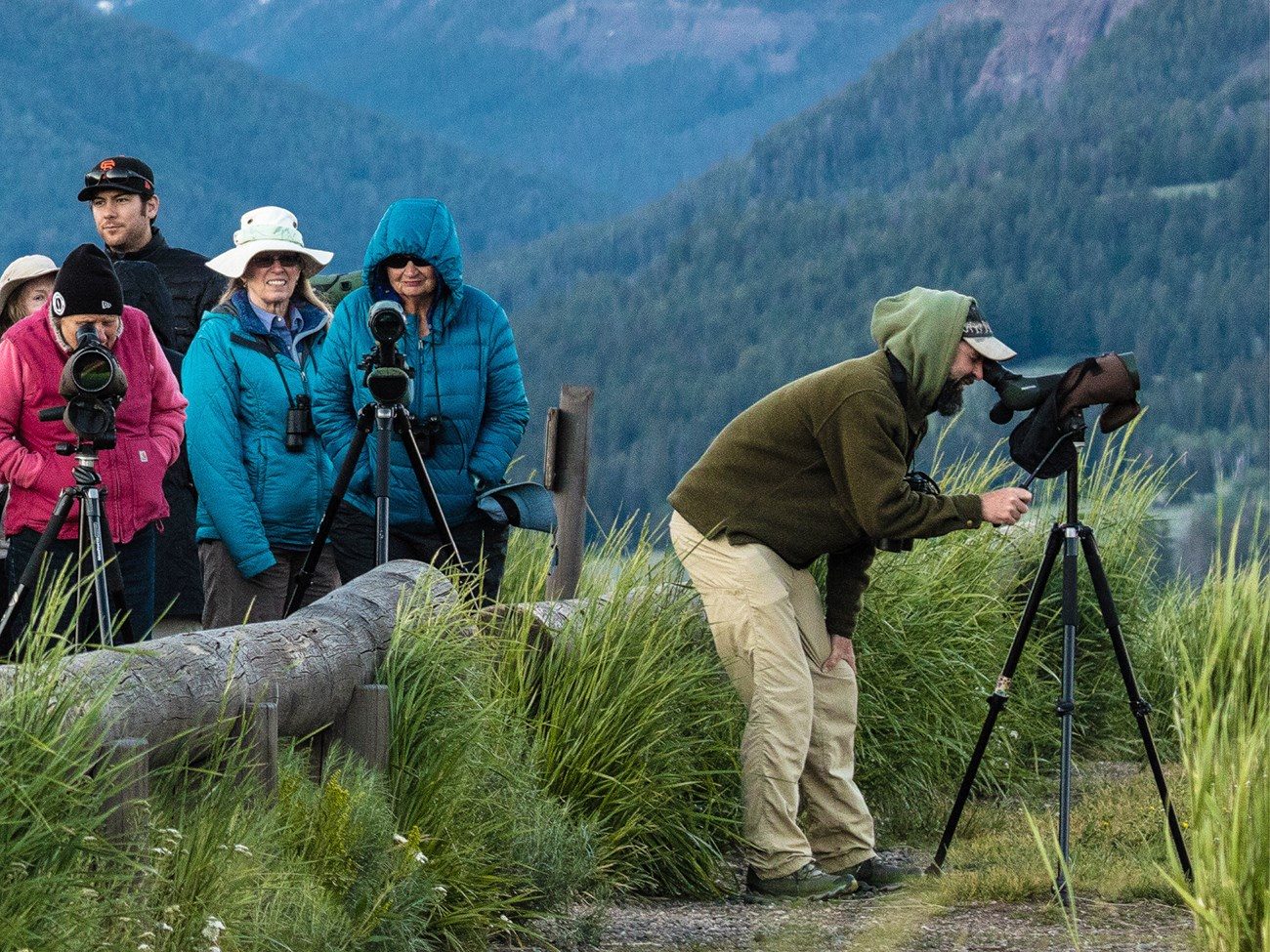
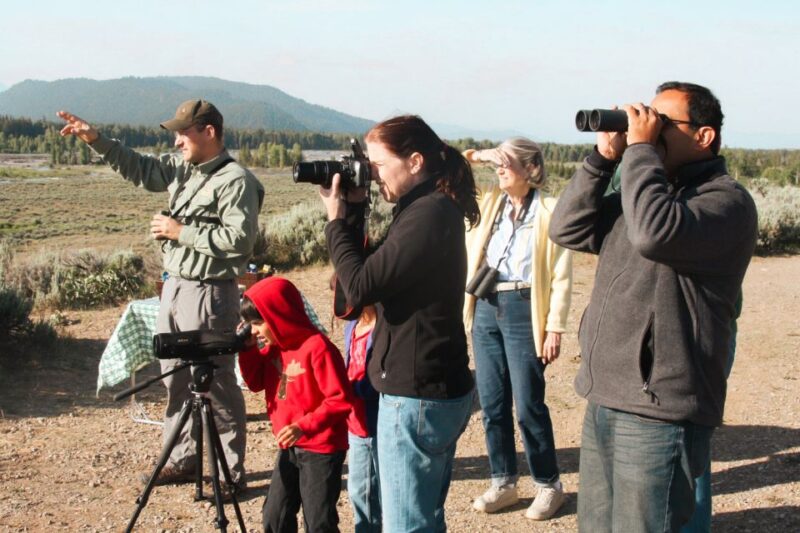
Track elk, bison, and bears with a naturalist guide on a 4-hour safari through Grand Teton.
Reserve
Dawn moves the herds down, dusk returns them to the willows.
Hand-picked by our editors — only the best 12 guided experiences from 240 reviewed.
Verified partners for Grand Teton Wildlife tours, free cancellation where available, and instant confirmation on every booking.
4 hr
Track elk, bison, and bears with a naturalist guide on a 4-hour safari through Grand Teton.
Reserve
4 hr
Early-morning wildlife and scenery tour through Grand Teton National Park with a local guide.
Reserve
4 hr
Half-day 4x4 wildlife safari through Grand Teton with a naturalist guide, snacks, and gear included.
ReservePrices from verified partners. Availability updates in real time at checkout. Free cancellation policies apply where shown.
The landmarks, rooms, and views travelers on Grand Teton Wildlife tours remember — all visible on a single visit.
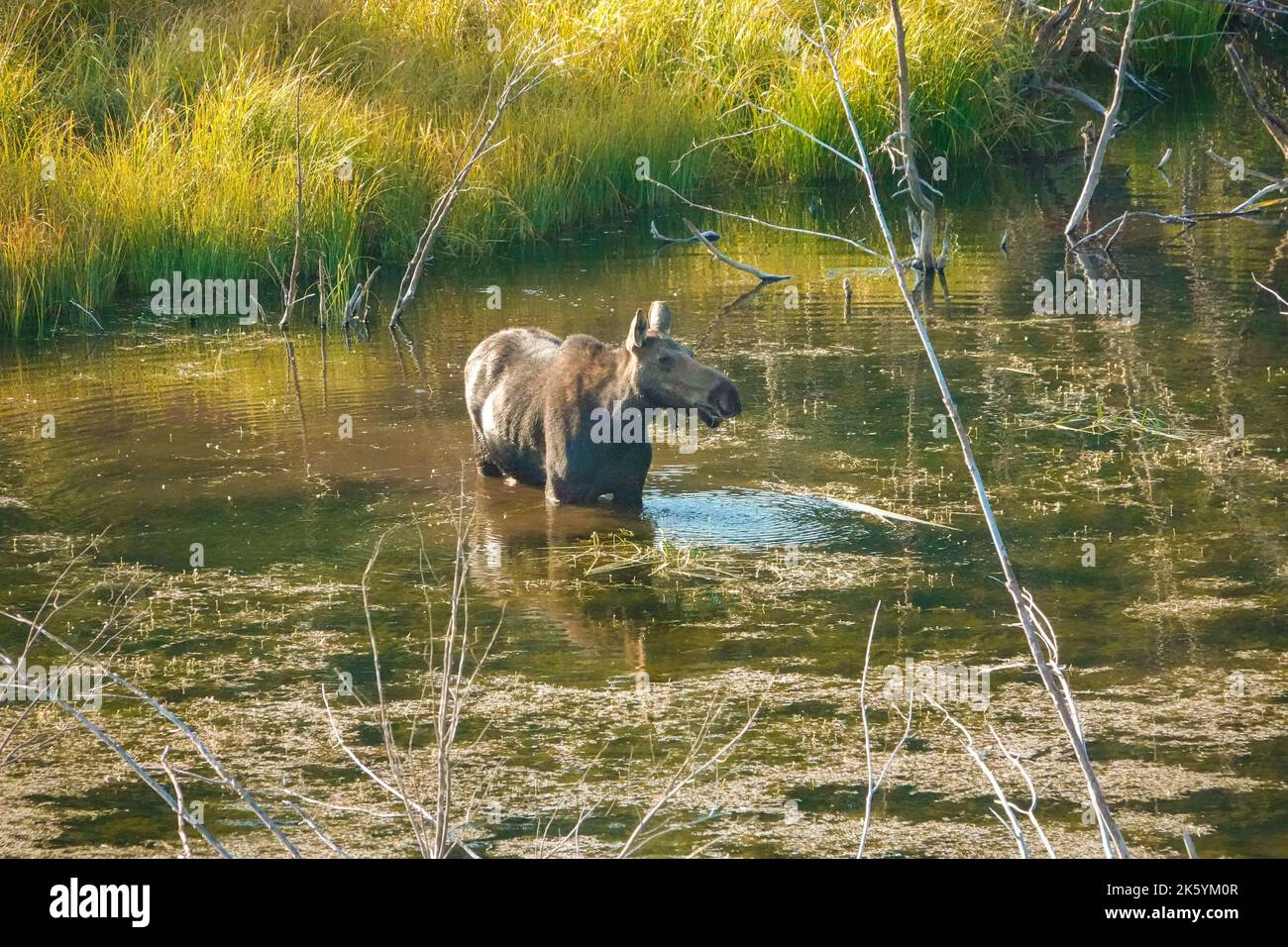
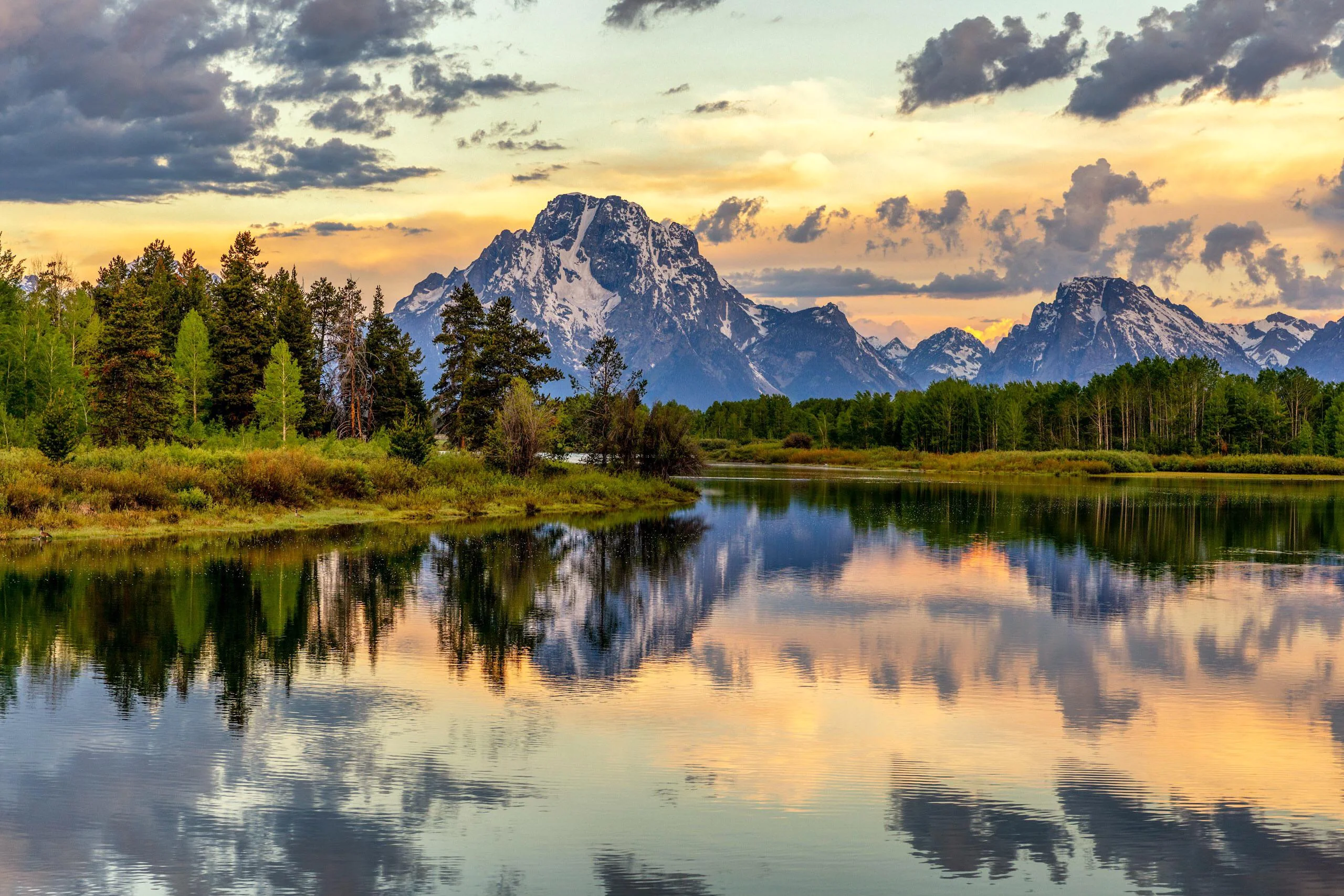
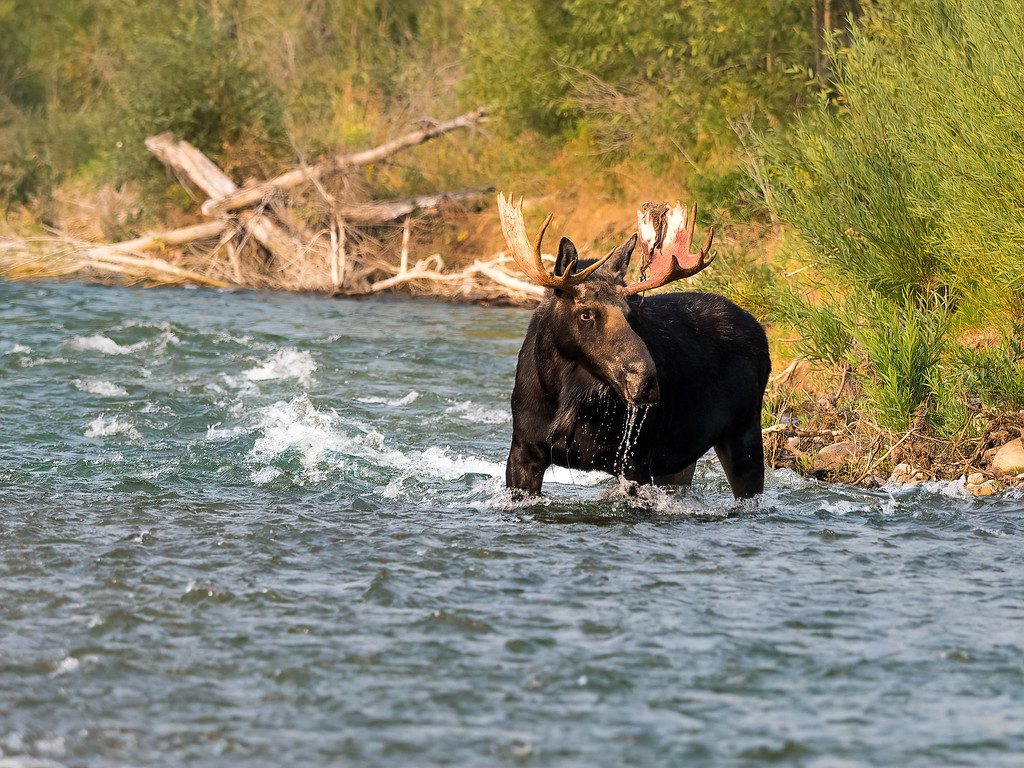
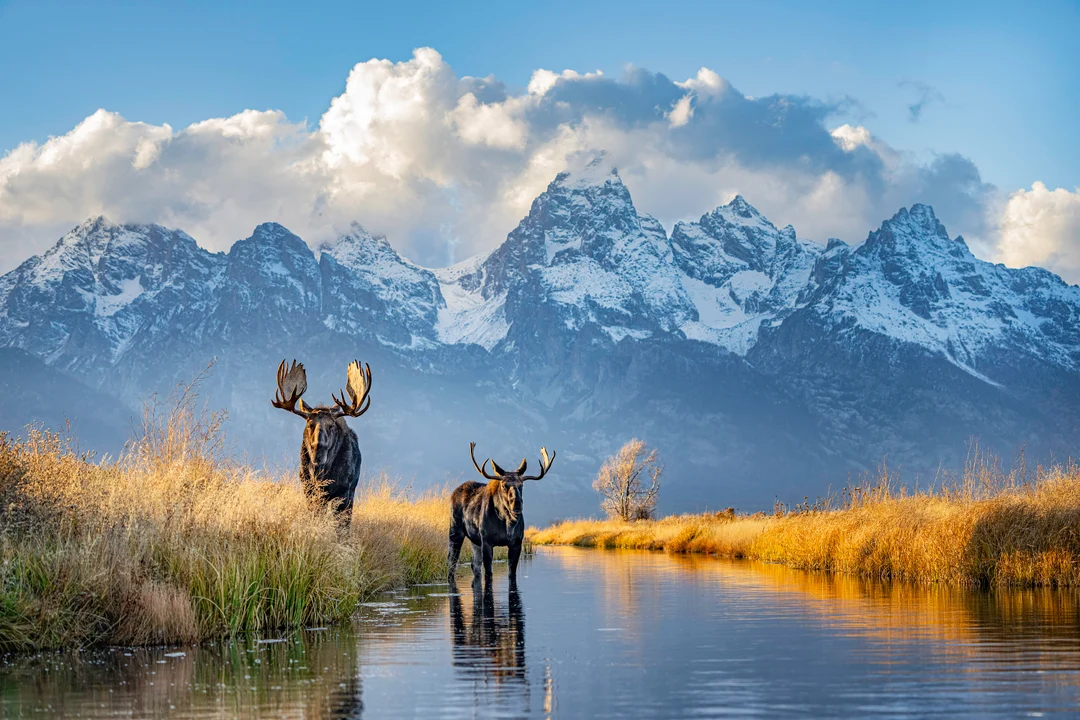
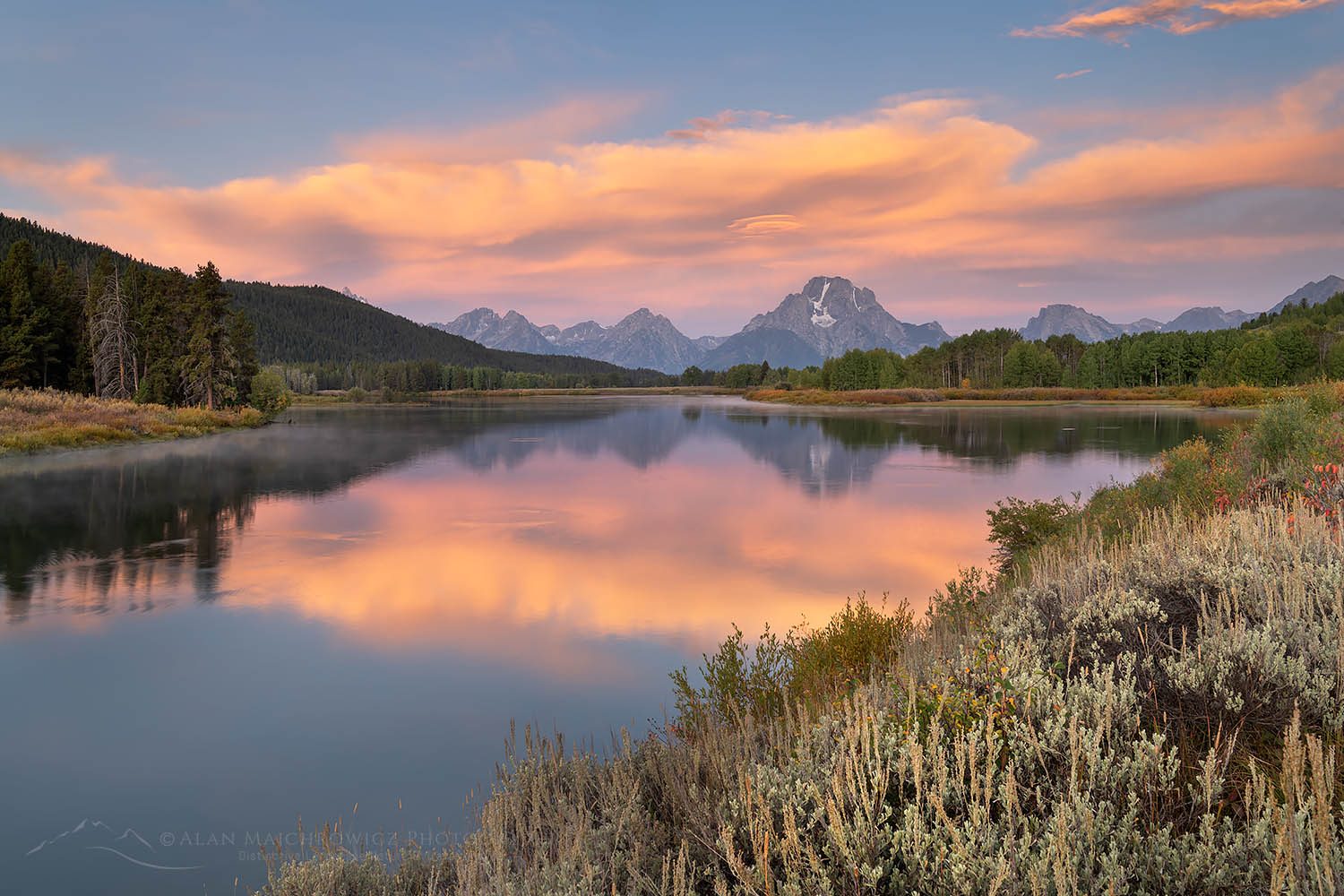
Known for diverse bird species and moose sightings against Mount Moran backdrop. The water often acts as a mirror for the peaks at dawn.
A narrow road famous for dense forest and frequent moose encounters. Drivers must remain alert for wildlife on the road.
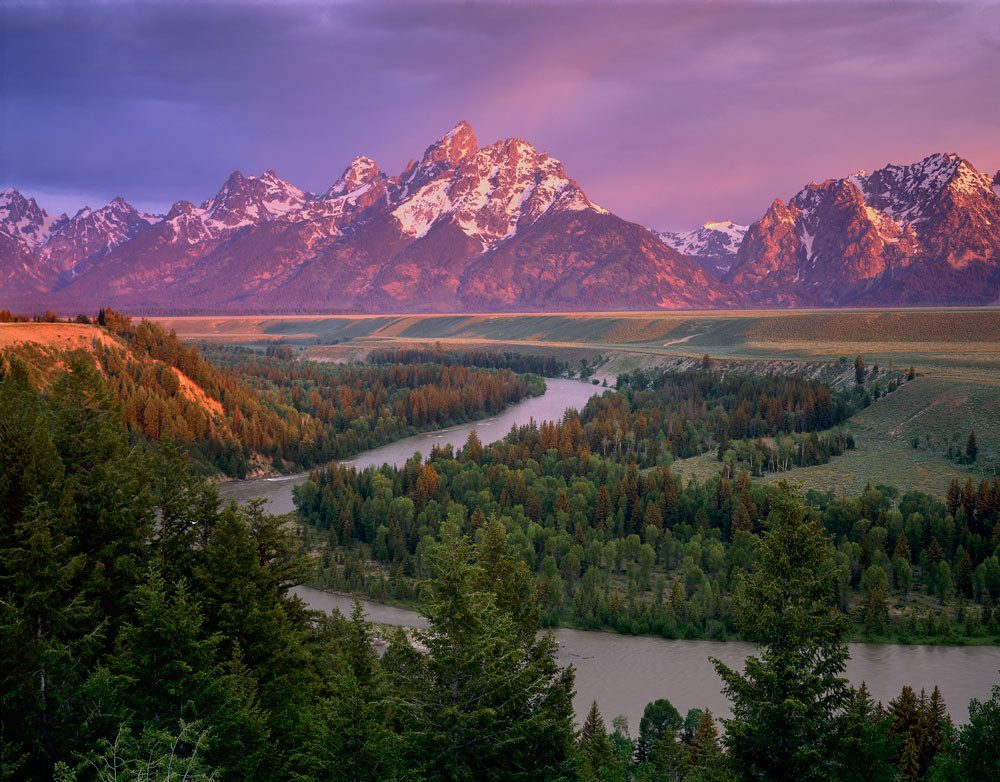
A historic viewpoint where Ansel Adams captured famous black and white images. It remains a prime spot for spotting bald eagles.
An active area for bison herds and pronghorn grazing in the sagebrush flats. The river provides vital water access.
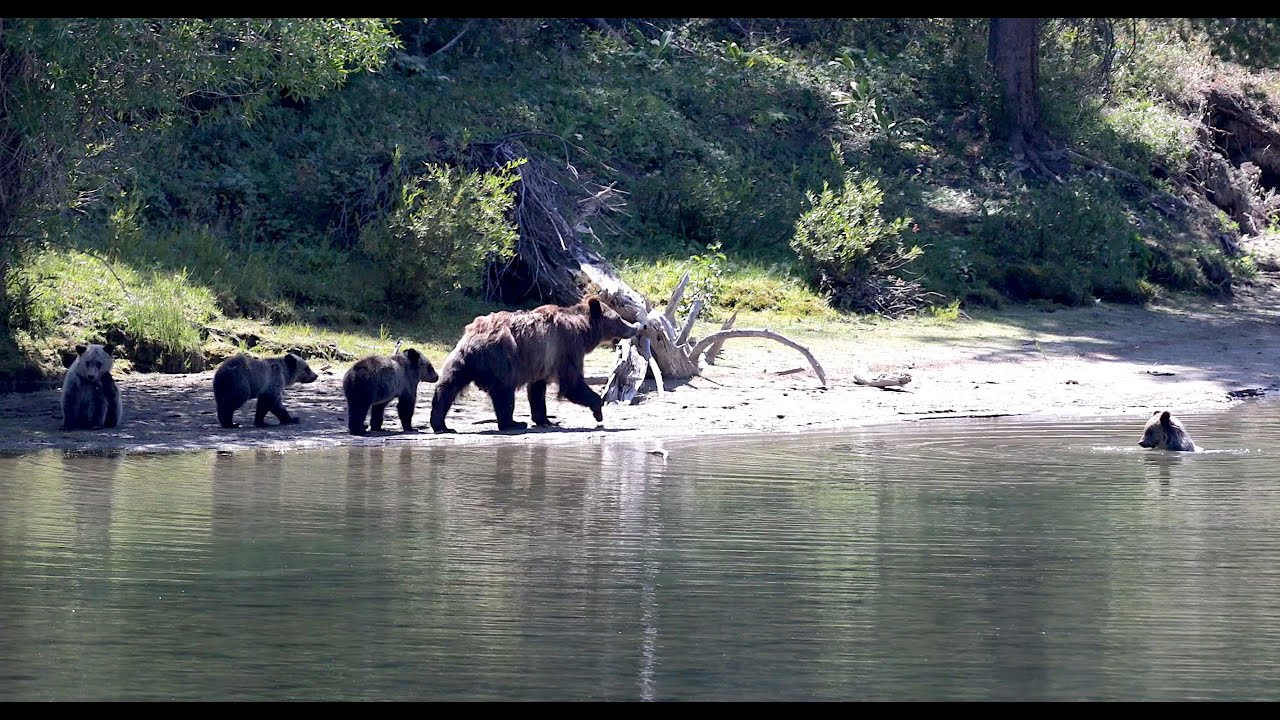
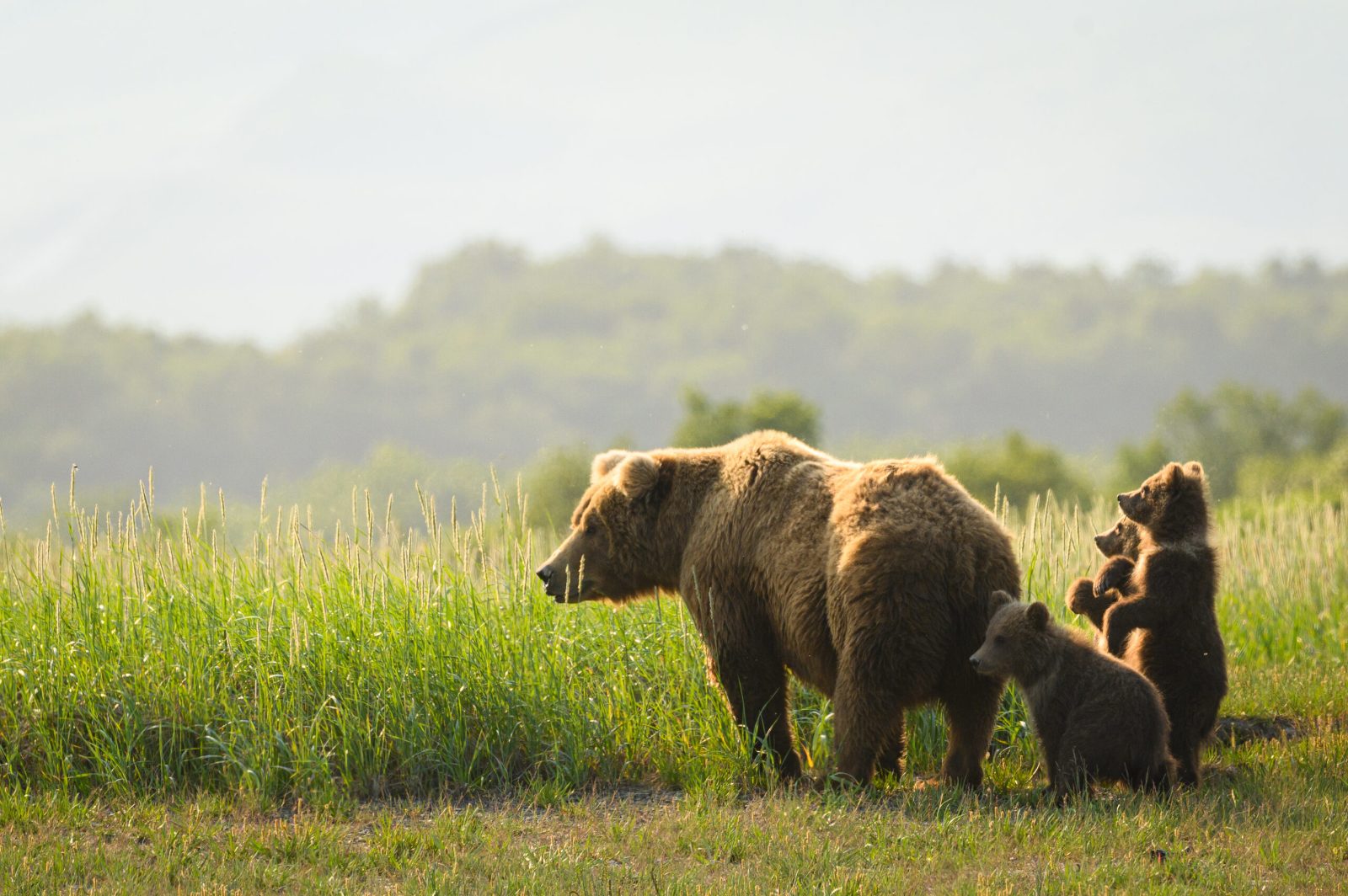
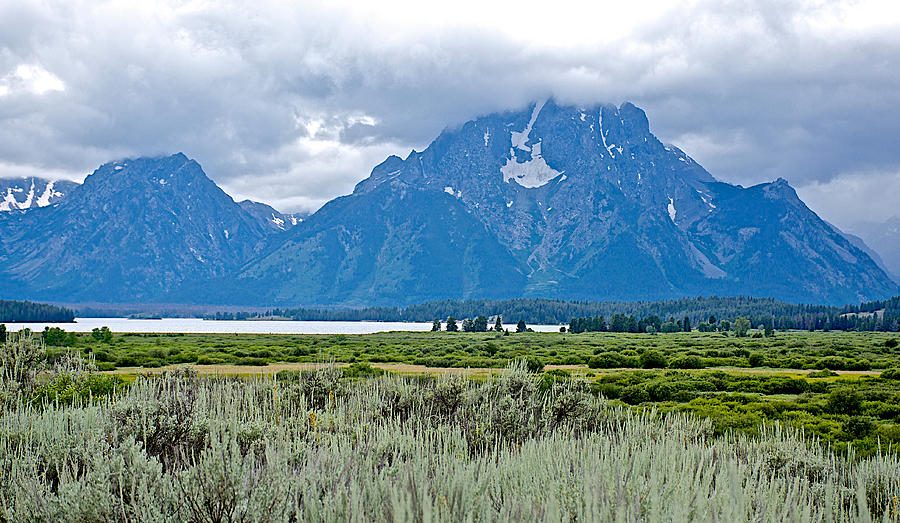
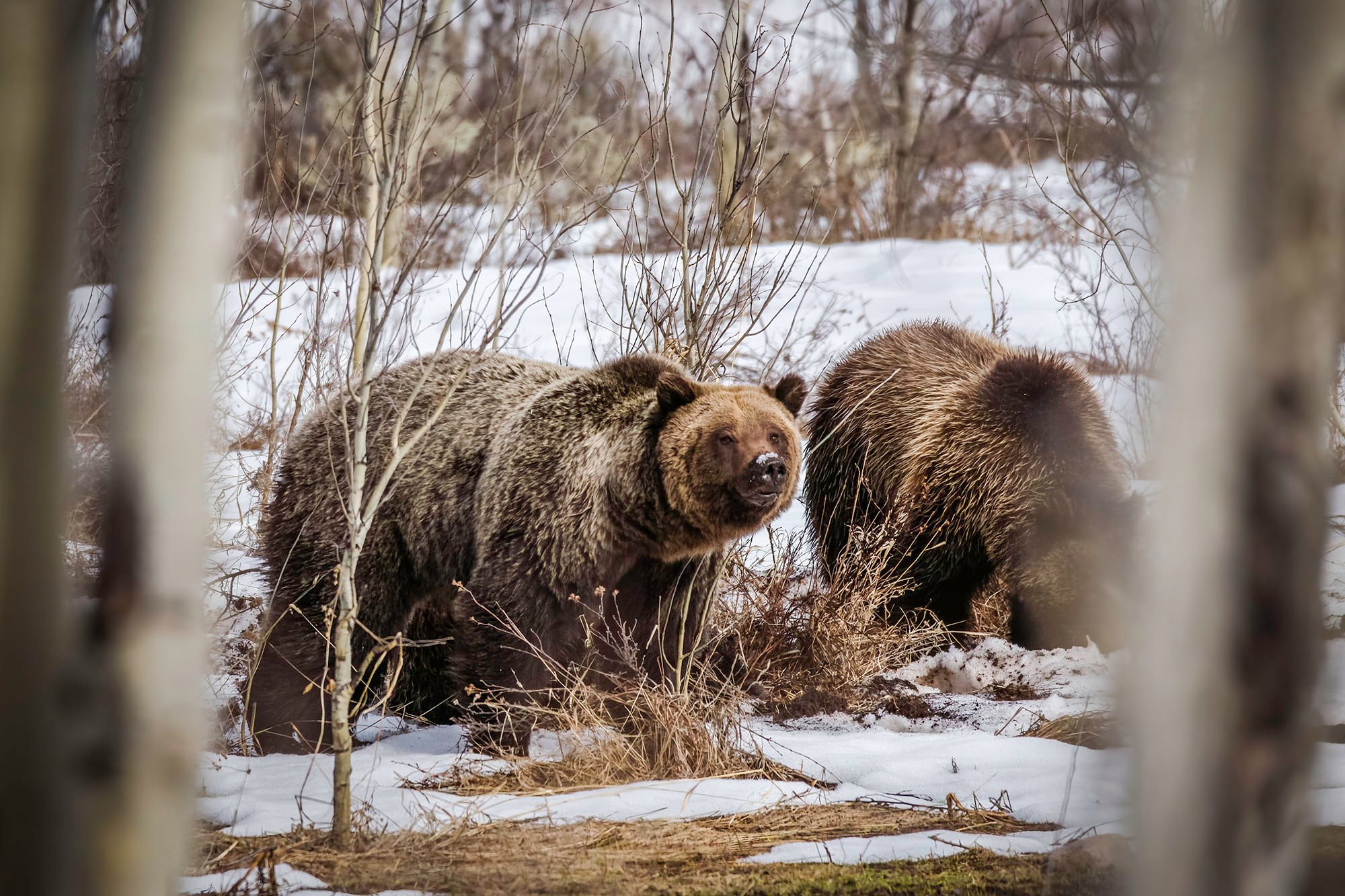
A vast marshy plain that serves as a primary feeding ground for elk and grizzly bears. Use binoculars for long-distance viewing here.
Every Grand Teton Wildlife tour side-by-side — duration, what's included, how you redeem.
| Experience | From | Duration | Rating | Pickup | Small group | Free cancel. | Price | |
|---|---|---|---|---|---|---|---|---|
|
Standard Entry Most popular
Grand Teton National Park Wildlife Safari Tour
|
— | 4 hr | ★ 4.8 | ✓ | ✓ | ✓ | $159 | Book → |
|
Standard Entry
Grand Teton National Park Half-Day Morning Tour from Jackson
|
Jackson | 4 hr | ★ 4.8 | ✓ | ✓ | ✓ | $149 | Book → |
|
Standard Entry
Jackson Hole & Grand Teton 4-Hour Eco Safari
|
— | 4 hr | ★ 4.9 | ✓ | ✓ | ✓ | $215 | Book → |
All prices from verified partners. Availability and exact terms confirmed at checkout.
Professional guides provide superior animal detection through intimate knowledge of ungulate migration patterns, while independent visitors enjoy the freedom of private exploration; most travelers who experience both describe the local ecosystem discovery through grand teton wildlife tours as the more educational choice.
| Feature | Top pick Guided Tours | Self-Drive |
|---|---|---|
Wildlife Spotting Expertise |
Professional biologists and trackers | Self-guided observation |
Vehicle Type |
Custom safari vehicle | Private passenger vehicle |
Equipment Provided |
High-end spotting scopes and binoculars | Personal equipment only |
Flexibility |
Fixed itinerary and schedule | Complete control over pace and stops |
Cost Per Person |
150–250 USD (summer) | 35 USD per vehicle (summer) |
Access to Remote Areas |
Expanded reach in restricted zones | Limited to public road network |
| See tickets → |
Verdict: Booking grand teton wildlife tours tickets provides specialized optics and expert tracking, whereas a self-drive grand teton wildlife tours tour is ideal for travelers prioritizing privacy and budget flexibility.
Choose your ticket, select your date, and reserve in under two minutes. Secure checkout handled by our verified partner.
Instant confirmation by email, with a mobile voucher you can save offline. No printing, no queuing at a collection desk.
Arrive at the entrance, show your voucher on your phone, and walk in. Most tickets include priority or skip-the-line access.
Practical details for Grand Teton Wildlife tickets straight from our verified partners — hours, access, rules, and how to get there.
Moose, WY 83012
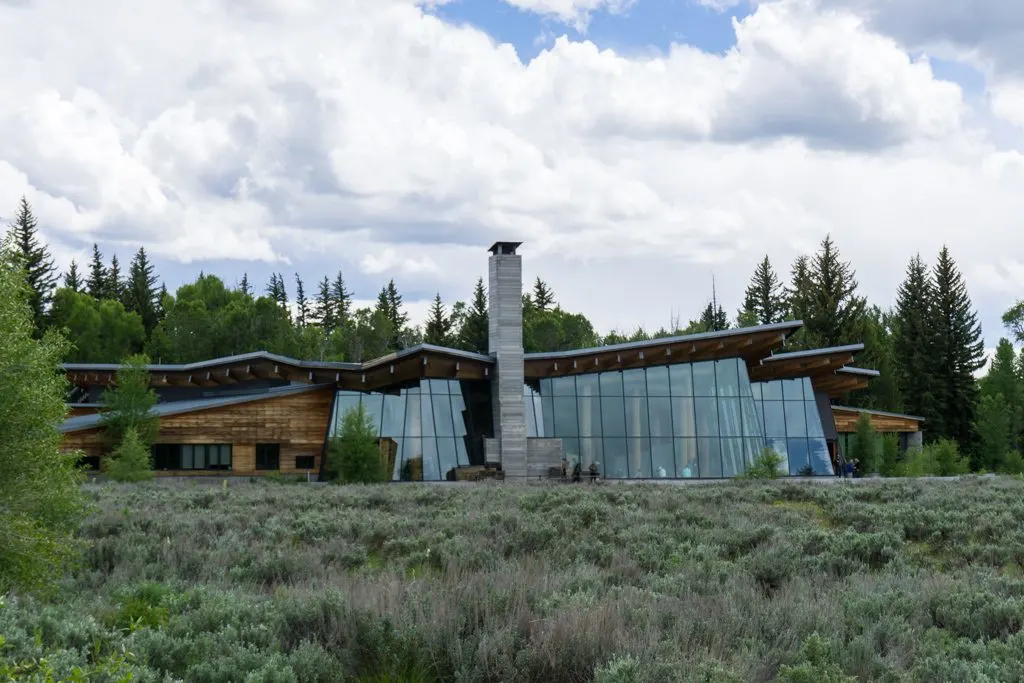
Primary meeting hub for most guided grand teton wildlife tours
Open in Google MapsFollow US-191 North from Jackson to enter the park. Parking is available at major trailheads, but fills before 09:00.
Wear moisture-wicking layers and sturdy hiking boots suitable for uneven terrain. Even in August, mountain temperatures can drop significantly during early grand teton wildlife tours sessions.
Keep all gear in a compact daypack that fits within your seat space. Tour operators prioritize bear-safe storage for any food items brought on the trip.
Use telephoto lenses of 300mm or greater to capture wildlife without disturbing natural behaviors. Guests on grand teton wildlife tours must remain inside the vehicle or at a safe distance as dictated by park regulations.
Some grand teton wildlife tours provide accessible vehicles for guests with mobility impairments. Contact the tour operator 14 days in advance to request specialized equipment.
Cellular service is sporadic throughout the park, especially in deep canyons. Enable offline maps before starting your grand teton wildlife tours adventure.
Children under 12 must be supervised at all times during grand teton wildlife tours excursions. Car seats are required by law for younger passengers in tour vehicles.
Bring sufficient water and high-energy snacks for the duration of your trip. There are limited facilities inside the park, so prepare to carry out all waste.
Pets must be leashed at all times and are restricted from most trails. Leaving pets in vehicles is prohibited due to temperature risks during summer.
Maintain a minimum distance of 100 yards from bears and wolves. Adhere to all safety briefings provided by your guide during grand teton wildlife tours activities.
Moose, WY 83012
Primary meeting hub for most guided grand teton wildlife tours
Get directionsBest time to go, insider tips, nearby landmarks, and the cancellation fine print — flip through to skim what matters to you.
How crowds, weather, and events shift across the year.
May to June offers calving season and high animal visibility. Expect cooler temperatures and potential muddy trails.
July to August provides full access to high-elevation roads. These months see the highest visitation for grand teton wildlife tours tickets.
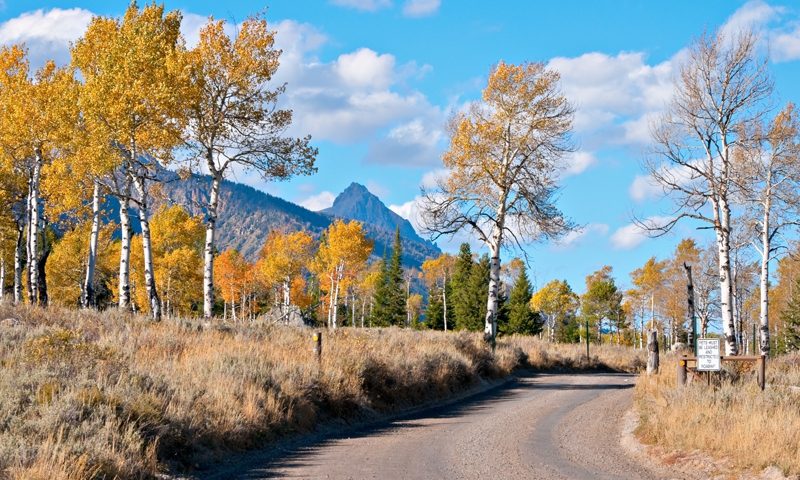
September to October features elk rutting activity. Mornings are crisp and trees begin to turn colors.
November to March is quiet, but many roads close to vehicles. Snow coach access is required for most excursions.
Small details that turn a good visit into a great one.
Position yourself at vantage points early in the morning for grand teton wildlife tours success. Use the best arrival window of 06:00–09:00 to avoid mid-day lull.
Invest in high-quality optics for clear views. Do not rely on naked-eye observation for distant mammals.
Dress in three layers to manage changing mountain conditions. High altitude sun is intense even when air is cool.
Watch for elk crossing the road during sunrise. Always stay in your vehicle if wildlife is near the pavement.
Speak softly during wildlife viewing sessions to avoid spooking animals. Noise travels far in the valley.
Non-bookable sights within a short walk — free to visit, easy to pair.
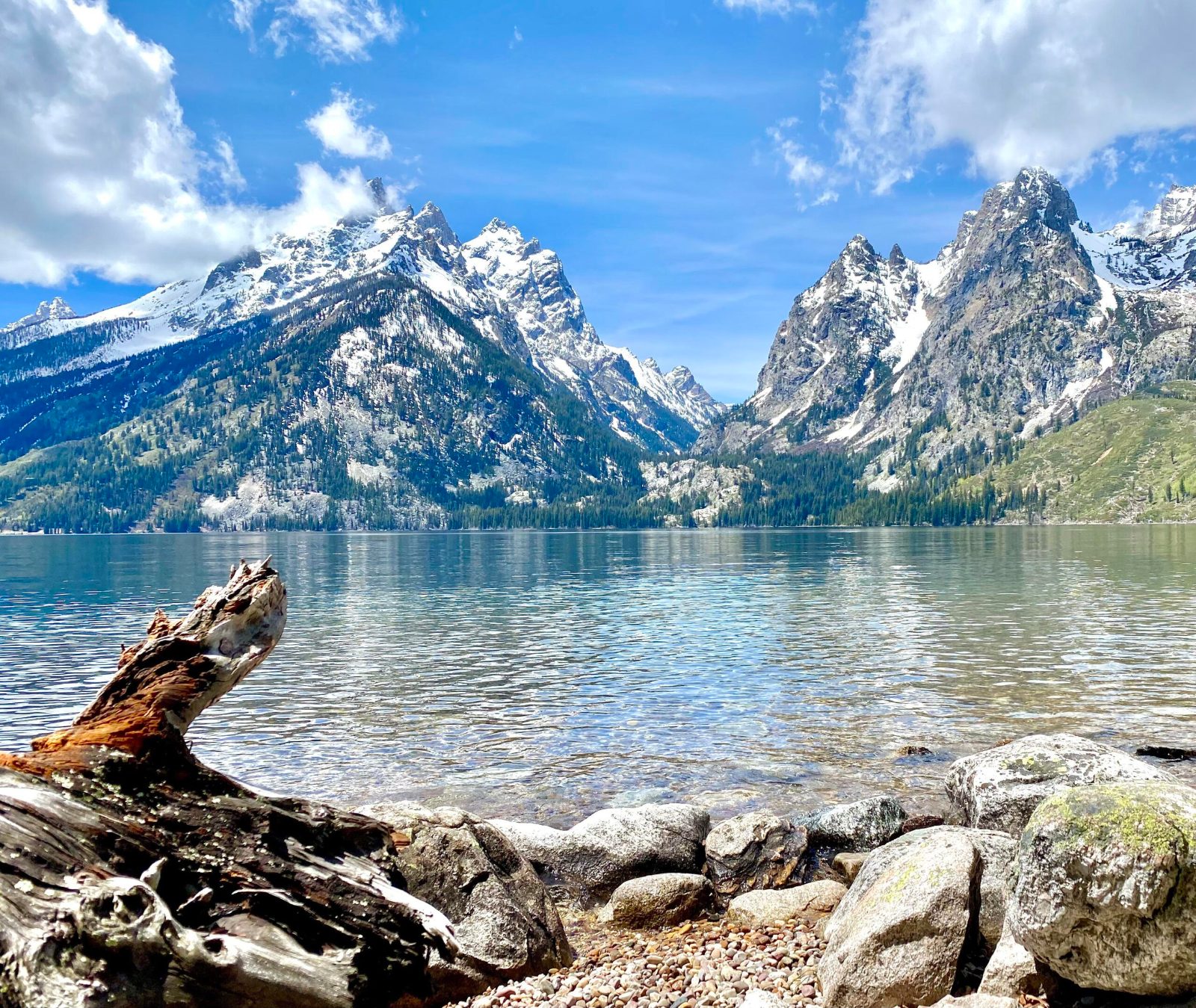
A pristine glacial lake offering views of the Teton Range. Accessible by boat or trail.
A summit drive providing panoramic vistas of the valley floor. Often a spot for bear sightings.
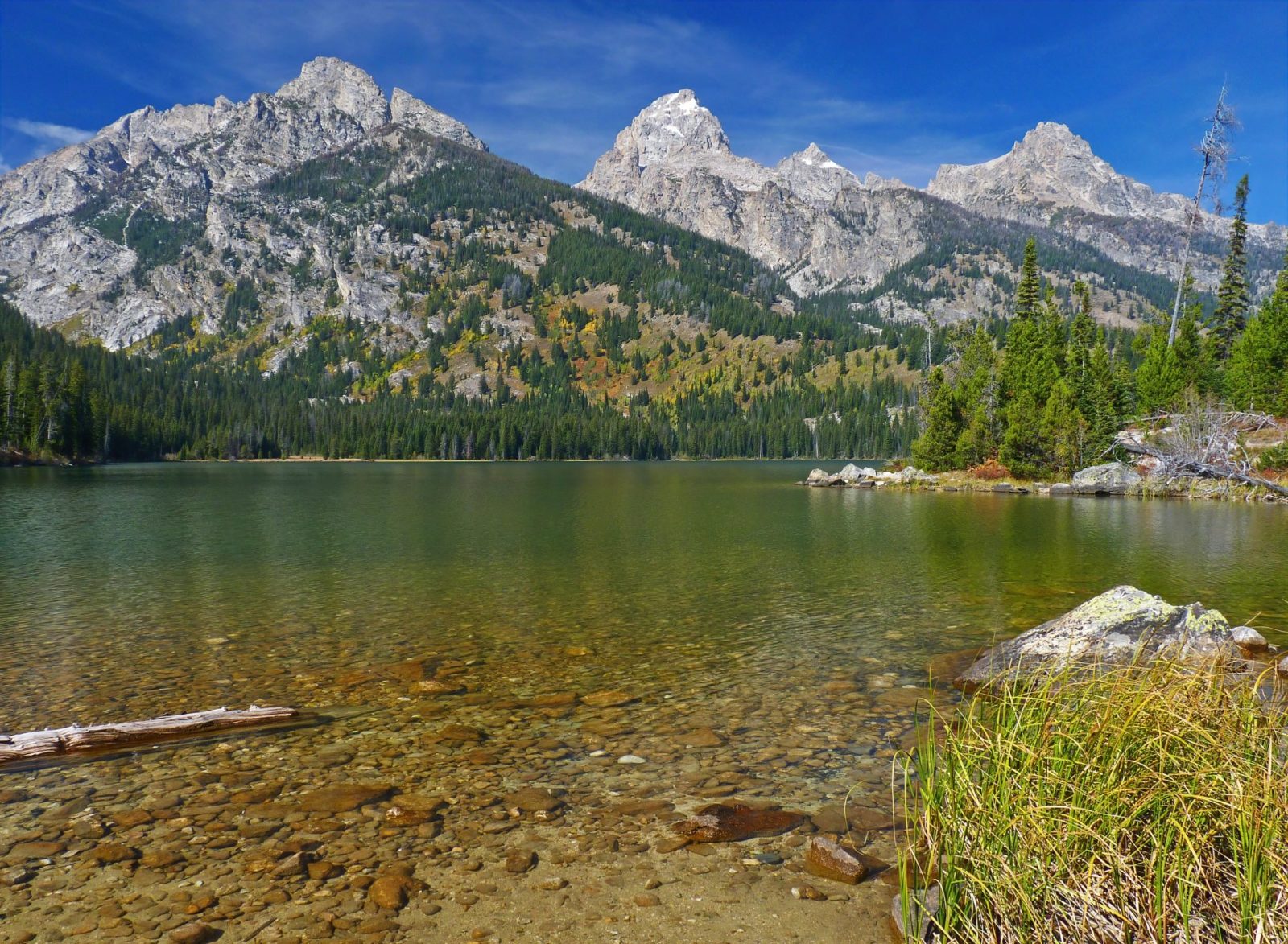
A moderate hike leads to this serene spot reflecting the mountains. Excellent for quiet morning wildlife.
Flexible, no hidden fees.
Grand Teton wildlife tours typically require notice 48 hours prior to departure for a full refund. Entrance fees of 35 USD are non-refundable through tour operators.
Hand-picked options within walking distance — pick a district for vibe, or a specific hotel for convenience.
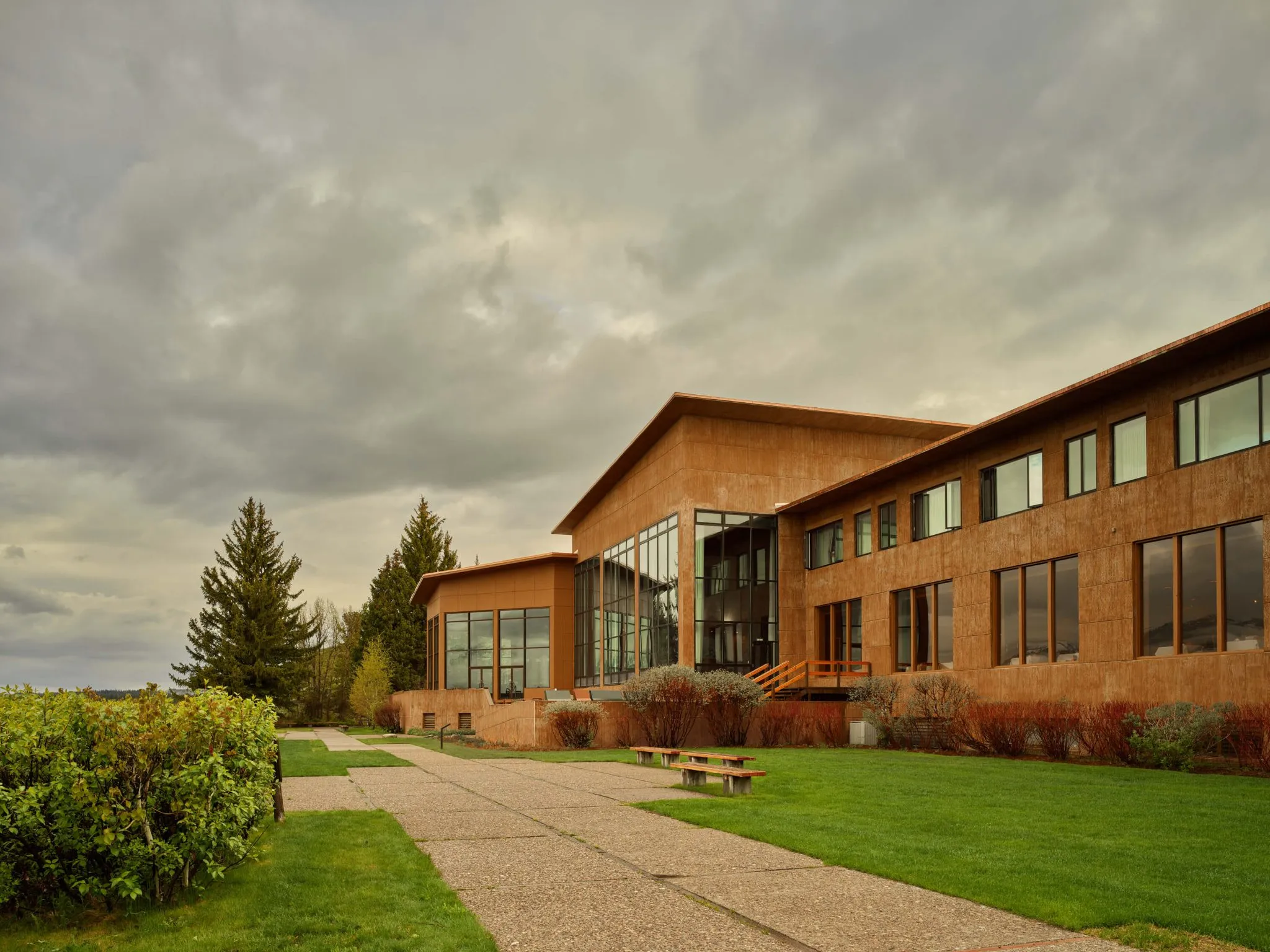
Full-service lodge located inside the park boundaries.
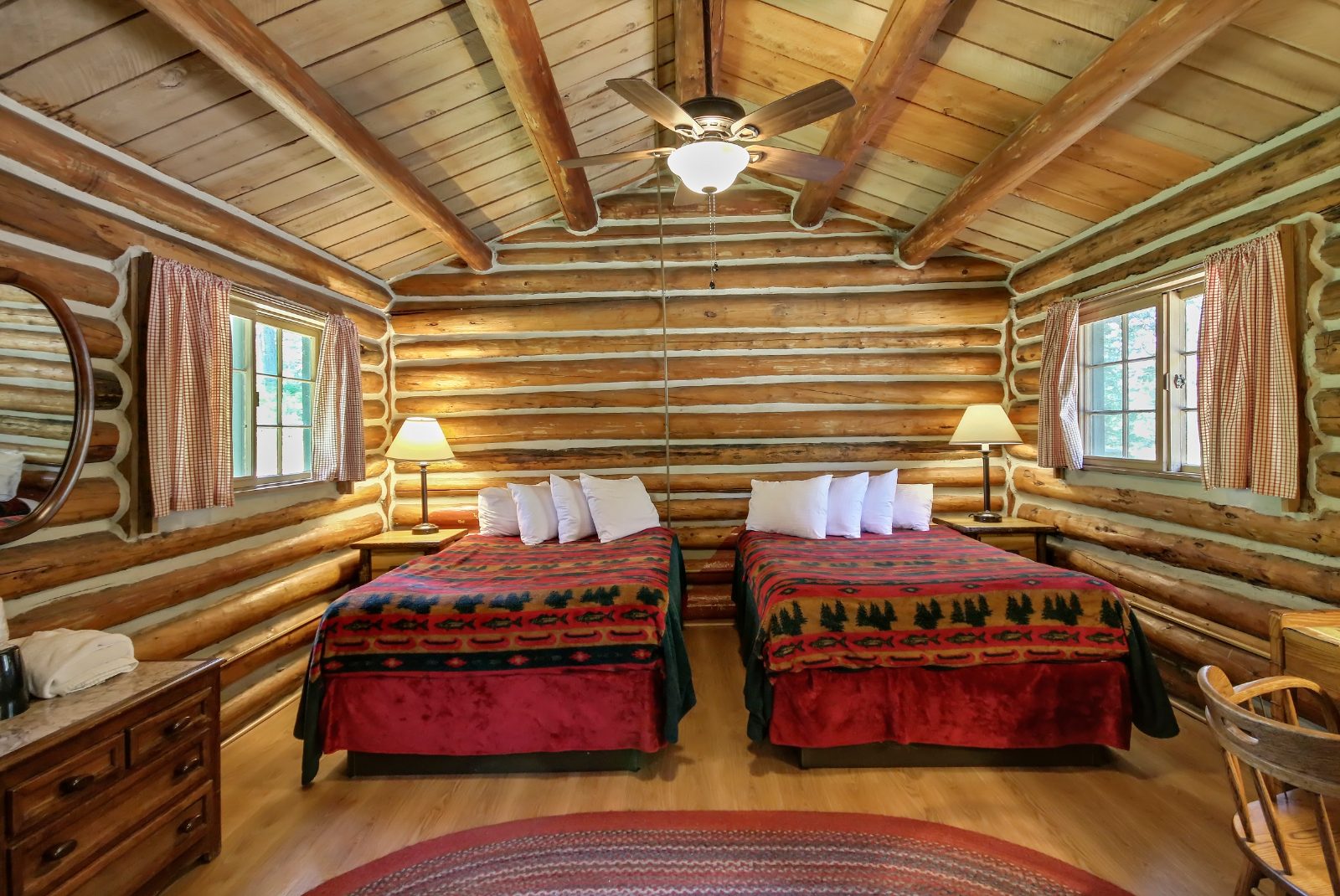
Rustic cabin lodging near the lake shore.
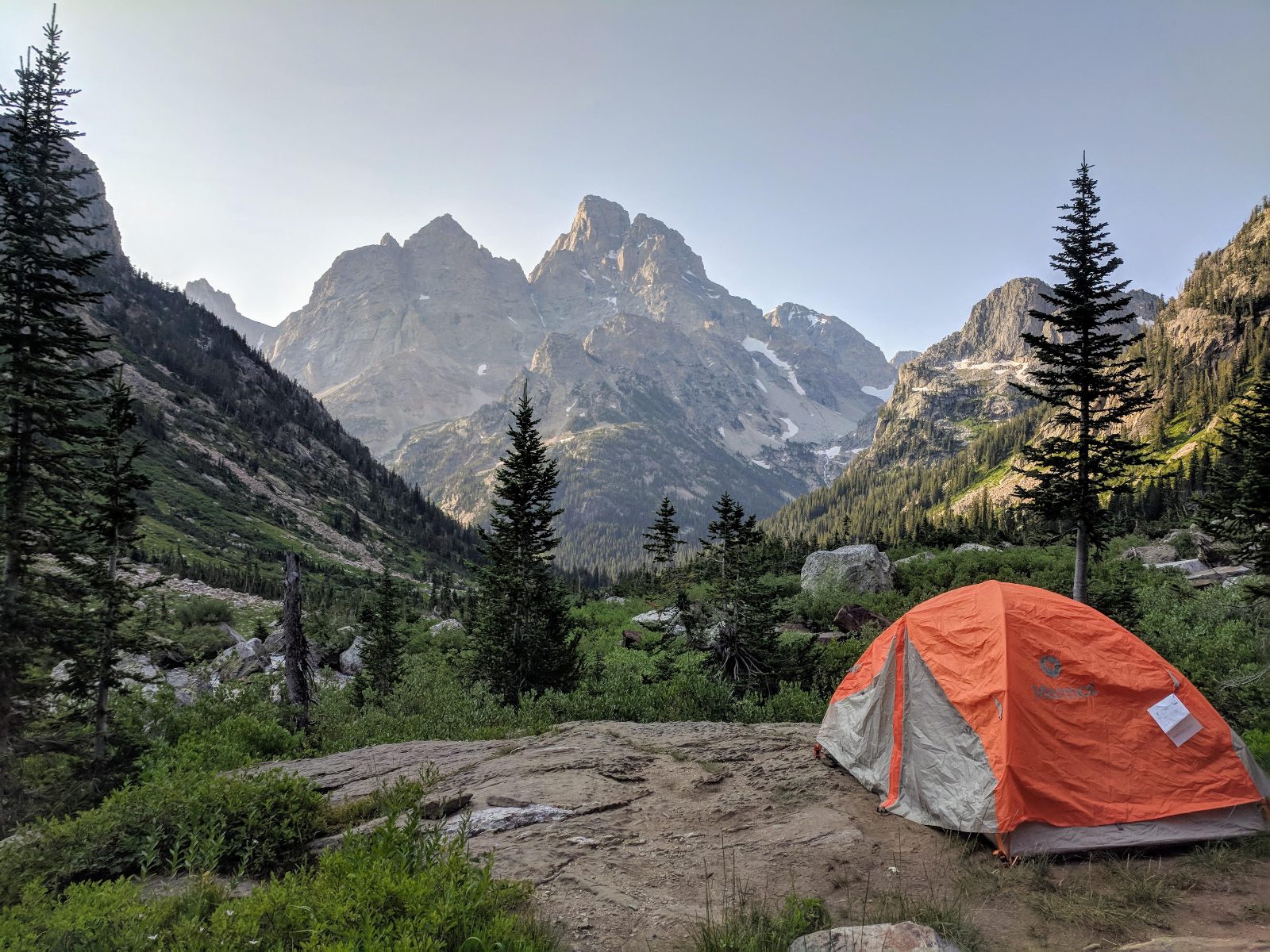
Campgrounds and limited lodging near the southern entrance.
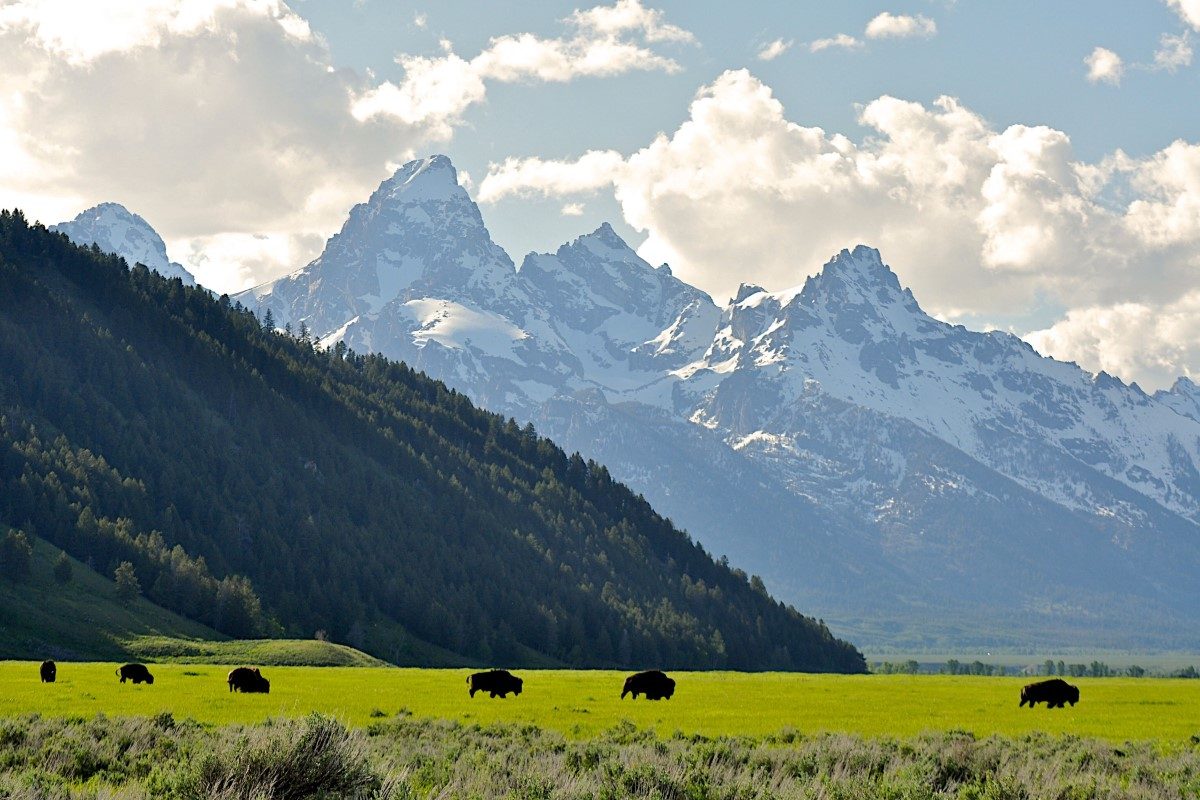
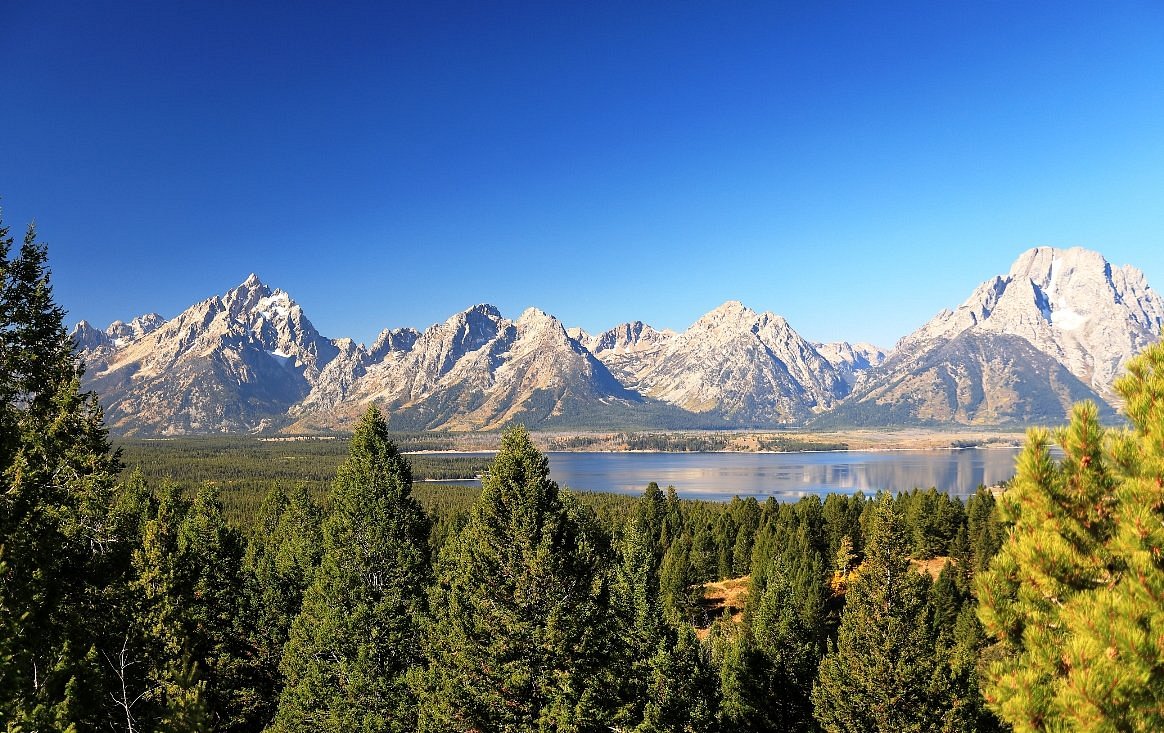
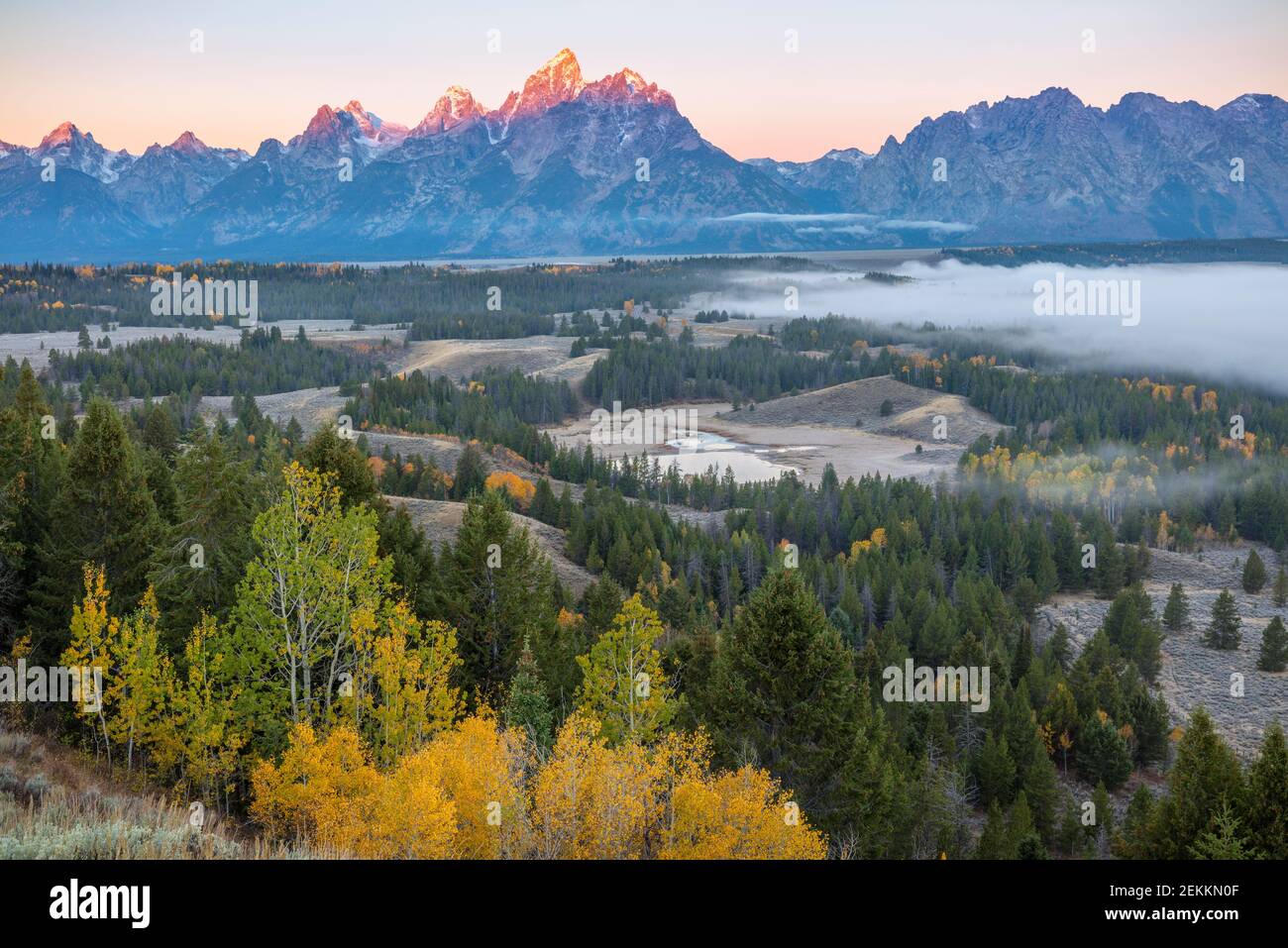
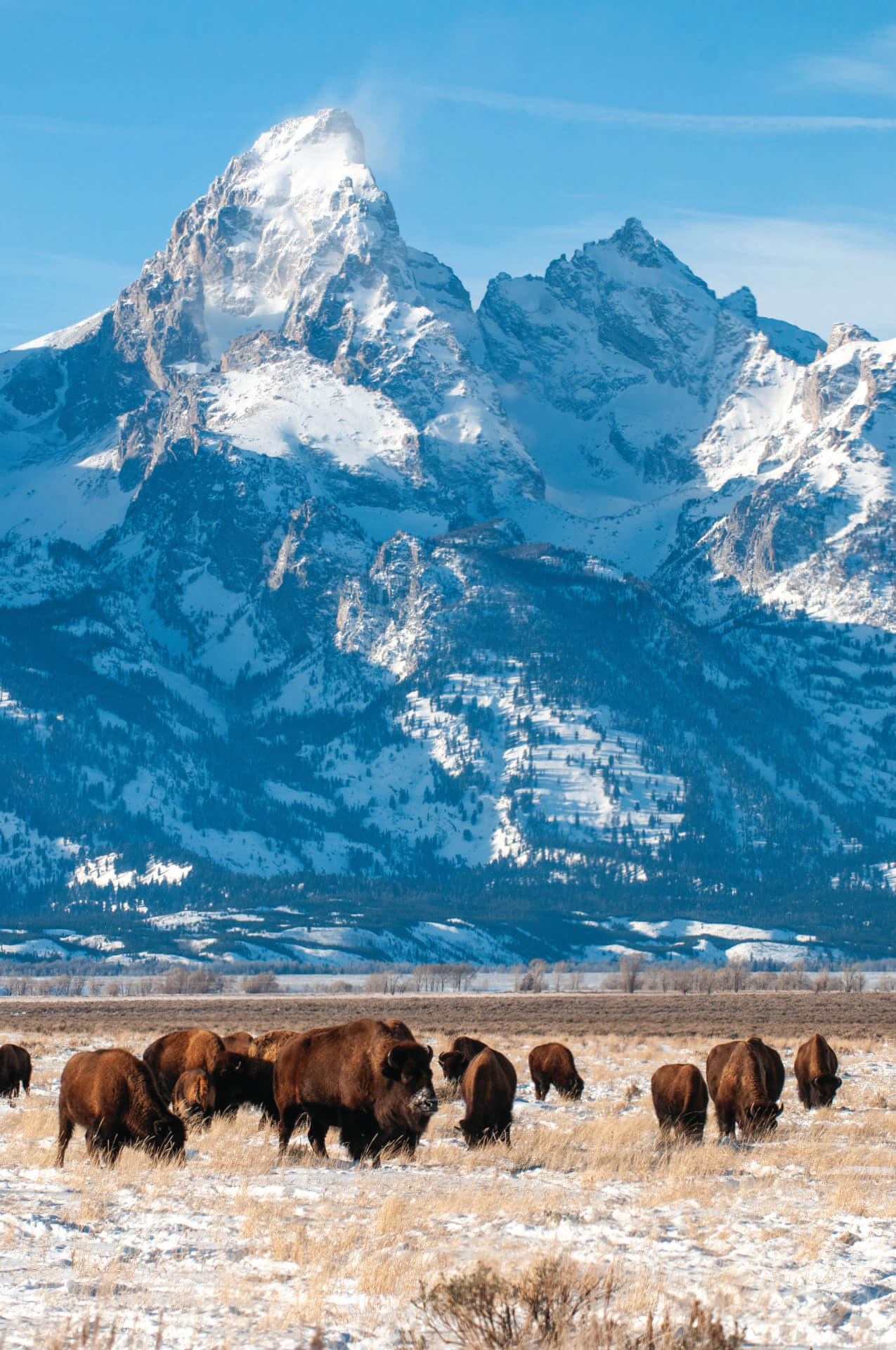
The Teton Range carries no foothills. The fault block that lifted it broke cleanly, so the peaks rise roughly 2,100 metres straight out of the Jackson Hole valley floor — one of the steepest elevation gains of any mountain front in North America. That abruptness is why the wildlife is visible at all.
Animals concentrate on the flat sagebrush terraces below, in plain sight, while the granite stands behind them like a backdrop hung for the purpose.
Congress established the original park in 1929, protecting only the peaks and the string of glacial lakes at their base — Jenny, Leigh, String, Taggart. The valley itself remained ranchland. John D. Rockefeller Jr., visiting in 1926, bought some 14,000 hectares through a shell company and eventually deeded them to the federal government; the enlarged park was consolidated in 1950 after two decades of local resistance. Those ranch purchases are the reason today's grand teton wildlife tours cover open bottomland rather than a narrow alpine strip. Antelope Flats, Mormon Row, Willow Flats and the Snake River oxbows all entered the park through that fight.
The ecological argument matters more now than the scenic one. Grand Teton sits inside the Greater Yellowstone Ecosystem, roughly 89,000 square kilometres of largely intact temperate habitat holding grizzly and black bear, gray wolf, moose, bison, pronghorn, elk, bighorn sheep and beaver. The pronghorn herd that summers here completes a migration corridor of about 240 kilometres, one of the longest documented land migrations in the hemisphere. The National Elk Refuge on the park's southern boundary winters several thousand animals, which is why a grand teton wildlife tour winter differs sharply in character from a summer outing: the animals descend, the crowds do not.
Guiding grew from that seasonality. A grand teton animal tour typically works the roads at first and last light, when ungulates cross between browse and cover; a grand teton nature tour widens the frame to include wildflower benches, cottonwood galleries and glacial geology; a grand teton wilderness tour pushes toward quieter drainages. Naturalists carry spotting scopes because most sightings happen at 400 metres or more, not at arm's length.
The park is open continuously, 00:00–23:59 every day of the week, and entry costs 35 USD per private vehicle for a standard pass valid seven days. That permanence suits the subject. Wildlife keeps its own timetable, and the best grand teton wildlife tours tours are built around the animals' hours rather than the visitor's — which is why serious operators still meet in the dark.
"The Teton Range carries no foothills — which is precisely why the wildlife is visible at all."
A step-by-step walkthrough of Grand Teton Wildlife tickets — what you'll see, how long each stage takes, and the details that matter.
You meet your guide in the dark, usually between 06:00 and 09:00, the window when light is low and animal movement is highest. Coffee is handed over in the parking area. The vehicle rolls out toward Antelope Flats while the sky behind the Gros Ventre is still grey.
The first stop comes fast. Your guide cuts the engine, and you learn to listen before you look — magpies, a distant bugle, the rustle of sagebrush. Scopes come off the roof rack. You take a turn at the eyepiece and find a bull moose bedded in willow at maybe 300 metres, ears flicking. Someone counts eleven pronghorn on the ridge behind him.
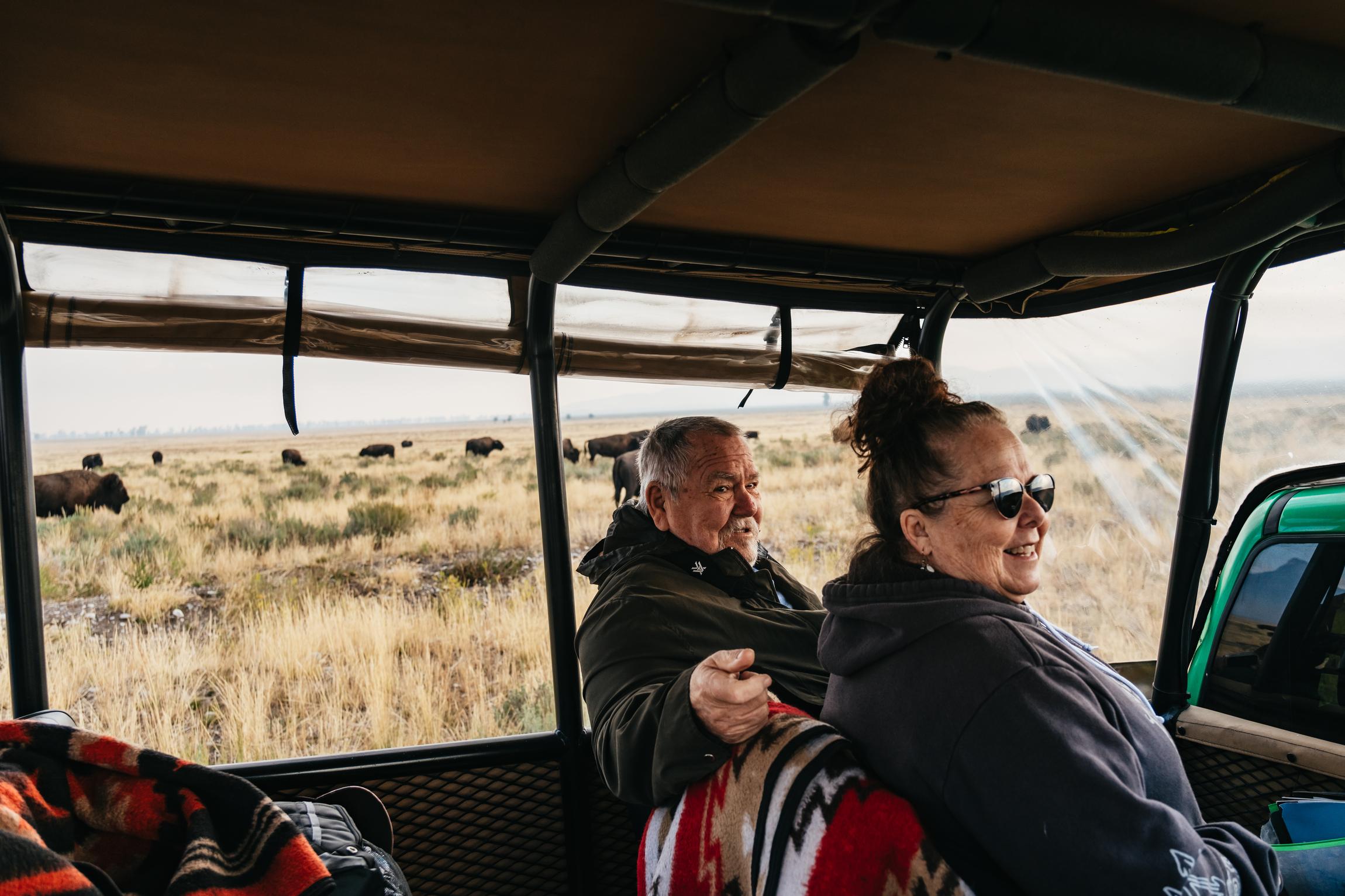
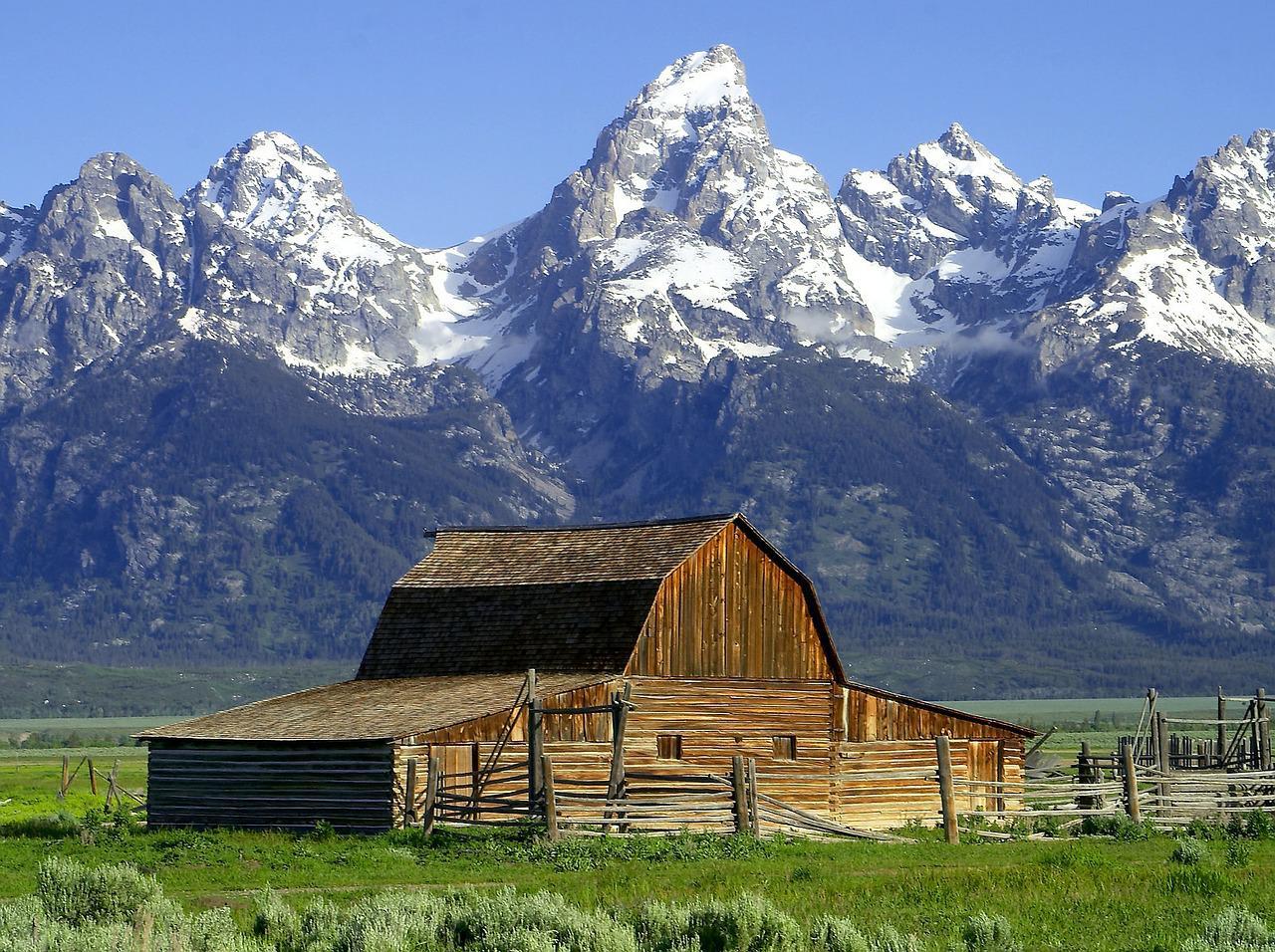
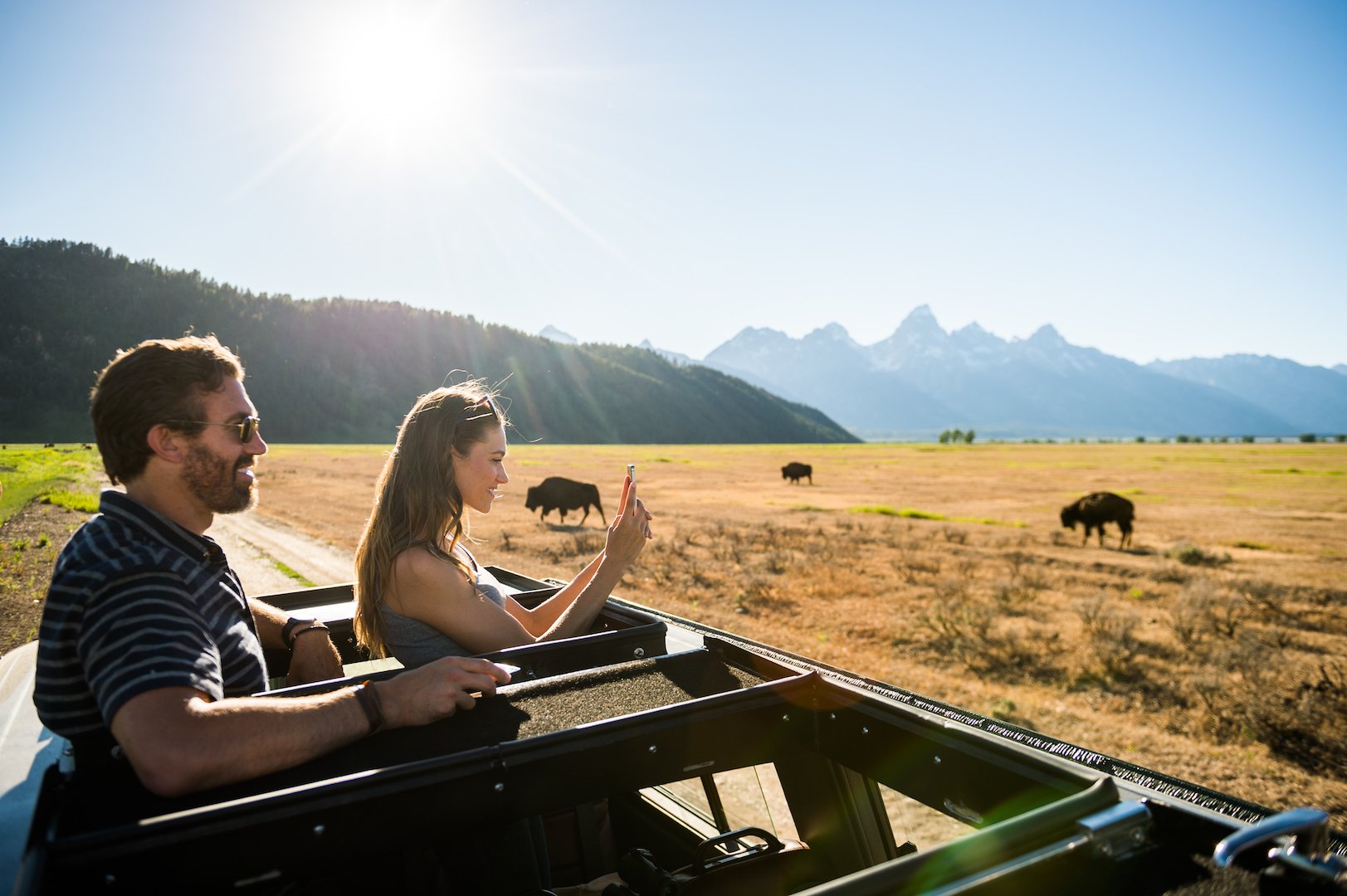
By 07:30 you are along the Snake River, where an open-air vehicle grand teton wildlife safari earns its name: no glass, no roof, just cold air and the smell of cottonwood. You scan the oxbows for beaver sign and river otter. Bison work the flats near Mormon Row, and you photograph the 1890s barns with the range behind them.
Around 09:00 the light goes hard and the animals settle. You stop at a pullout, eat something, and compare notes on what your logbook now holds. Most grand teton wildlife tours end here, with the guide sketching where the herds will be at dusk — an invitation, and a reason to come back.
Grand Teton National Park is open 00:00–23:59 daily. The park operates on a 24-hour cycle for road access.
The standard entrance pass is 35 USD and is valid for 7 days per private vehicle. This fee is separate from tour operator costs.
The best arrival window is 06:00–09:00. This period offers optimal lighting and higher wildlife activity levels.
Yes, keep bags small and ensure they do not contain scented items that attract bears. Most grand teton wildlife tours operators provide bear-proof storage.
Yes, the park is largely accessible with specific trails and visitor centers designed for inclusivity.
Yes, but it must be kept in sealed, bear-resistant containers. Avoid leaving food wrappers inside tour vehicles.
Photography is encouraged, but stay inside the vehicle. Respect distance regulations during your grand teton wildlife tours experience.
Stay inside the vehicle and notify your guide immediately. Do not attempt to feed or approach the animal.
Travel via car to the designated meeting point at the address provided in your booking confirmation. The main park address is Moose, WY 83012, USA.