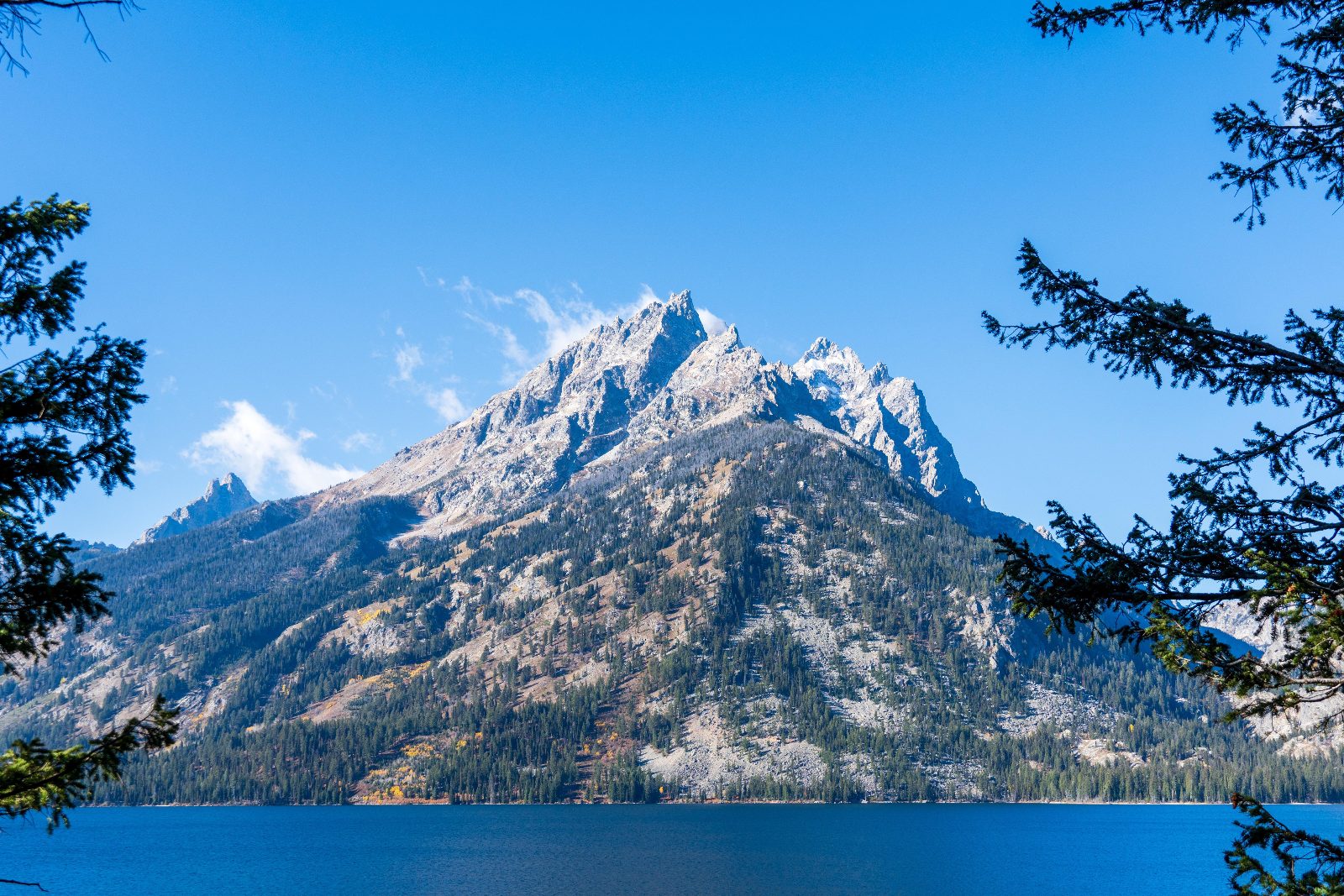
Jenny Lake
This glacial lake serves as the primary gateway to the Teton Range via boat shuttle or hiking trails. It provides access to Hidden Falls and Inspiration Point.
Take the boat across early to access trails before peak crowds.

The Teton Range climbs more than 7,000 feet off the valley floor with no foothills to soften the view, and that compression fools people into thinking the park is small. This how long should I spend in Grand Teton National Park guide sets honest trip lengths against what each one actually buys. Read it before locking in the rest of a Wyoming route.
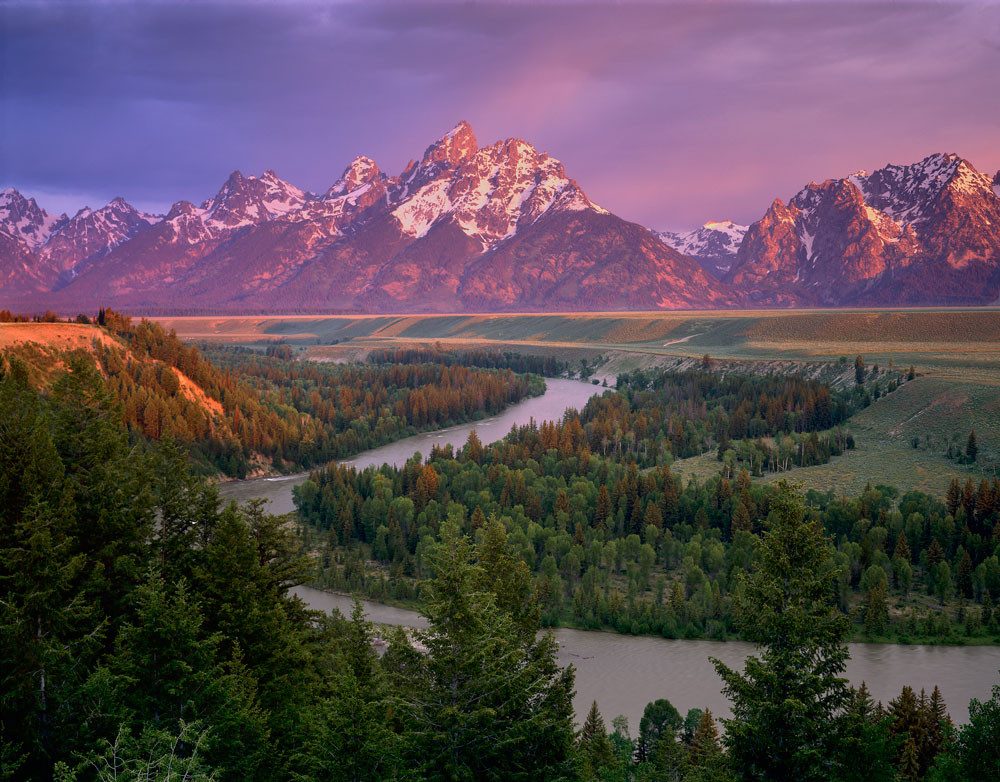
Quick answer
Plan on three full days in Grand Teton National Park to cover the valley without rushing. Two days works for a first visit; five to seven suits hikers and wildlife watchers, and the standard vehicle pass runs 7 days. The park corridor is accessible around the clock, so arriving between 06:00 and 09:00 stretches any length of stay.
The Teton Range is among the youngest mountain chains in North America, roughly ten million years old, yet the gneiss at its core is close to 2.7 billion years old. That contradiction is a useful warning about scale. Nothing stands between the summits and the sagebrush flats to give the eye a sense of distance, so first-time visitors routinely budget an afternoon for terrain that can absorb a week. Anyone asking how long should I spend in Grand Teton National Park is really asking how much of a 310,000-acre valley they intend to see on foot rather than through a windshield. Geography sets the ceiling. The park runs roughly forty miles north to south, from the Moose headquarters area to the Yellowstone boundary, and its two parallel routes take about an hour end to end without stopping. Stopping is the point. How many days Grand Teton deserves depends less on mileage than on how often the plan pauses: Oxbow Bend at first light, a shuttle across Jenny Lake, the walk up to Inspiration Point and, for the fit, the long trough of Cascade Canyon beyond it. Wildlife rewrites the arithmetic again. Moose feed in the willow flats along the Snake River at first light. Bison and pronghorn hold the open sage of Antelope Flats through the middle of the day. Sightings cannot be scheduled, and the animals do not read itineraries, so the travellers who see the most are usually the ones holding spare hours in reserve. That single fact is the strongest argument for adding a day rather than trimming one. Trip length therefore follows purpose, not a formula. One day covers the valley by road with two short walks attached. Three days makes room for a proper hike, a float on the Snake River, or a guided wildlife outing at dawn, plus a second sunrise in case the first one clouds over. A week suits photographers, families with mixed walking abilities, and anyone pairing the Teton valley with Yellowstone to the north. Travellers still weighing how long should I spend in Grand Teton National Park should settle one question first: is this a scenic drive or a walking holiday. The number of days follows from the answer, and guided outings can absorb whichever of those days benefit most from a local guide's eyes.
“Sightings cannot be scheduled, and the animals do not read itineraries — the visitors who see the most are the ones holding spare hours in reserve.”
This tiered plan suits first-time visitors deciding between a single day and a longer stay, built around a core one-day loop that expands into three- and five-day versions. One day covers the scenic corridor; three days adds hiking and water; five days allows the northern reaches and repeat wildlife outings.
Start at the Jenny Lake Visitor Center lot and take the shuttle boat across to Hidden Falls, roughly two hours with the crossing and short walk. The lot fills by mid-morning in summer, so this is the anchor point for the whole day.
Drive north stopping at Teton Glacier, Cathedral Group and Mountain View turnouts, 15 to 20 minutes each. Sagebrush flats here are reliable for pronghorn and bison from the roadside.
Eat at Signal Mountain Lodge, then drive the five-mile Signal Mountain Summit Road for the valley overlook, about 90 minutes total. Vehicles over 30 feet are not permitted on the summit road.
Circle back via the Gros Ventre and Antelope Flats roads for the Moulton barns, one to two hours. Late afternoon light and lower traffic make this a better closing stop than a morning one.
Add a half-day hike such as Taggart Lake or Cascade Canyon, plus a morning on String and Leigh Lakes with a rented canoe. Budget a full day for each and treat afternoon thunderstorms as a hard turnaround cue above treeline.
Extend to Colter Bay, Two Ocean Lake and the Snake River corridor, keeping one day unscheduled. Repeat visits to Oxbow Bend and Willow Flats at dawn and dusk raise your odds of moose and elk considerably.
Grand Teton National Park features distinct geological and aquatic zones that anchor visitor itineraries. Understanding these landmarks helps determine how much time is required to experience the park's diverse landscape.
This glacial lake serves as the primary gateway to the Teton Range via boat shuttle or hiking trails. It provides access to Hidden Falls and Inspiration Point.
Take the boat across early to access trails before peak crowds.
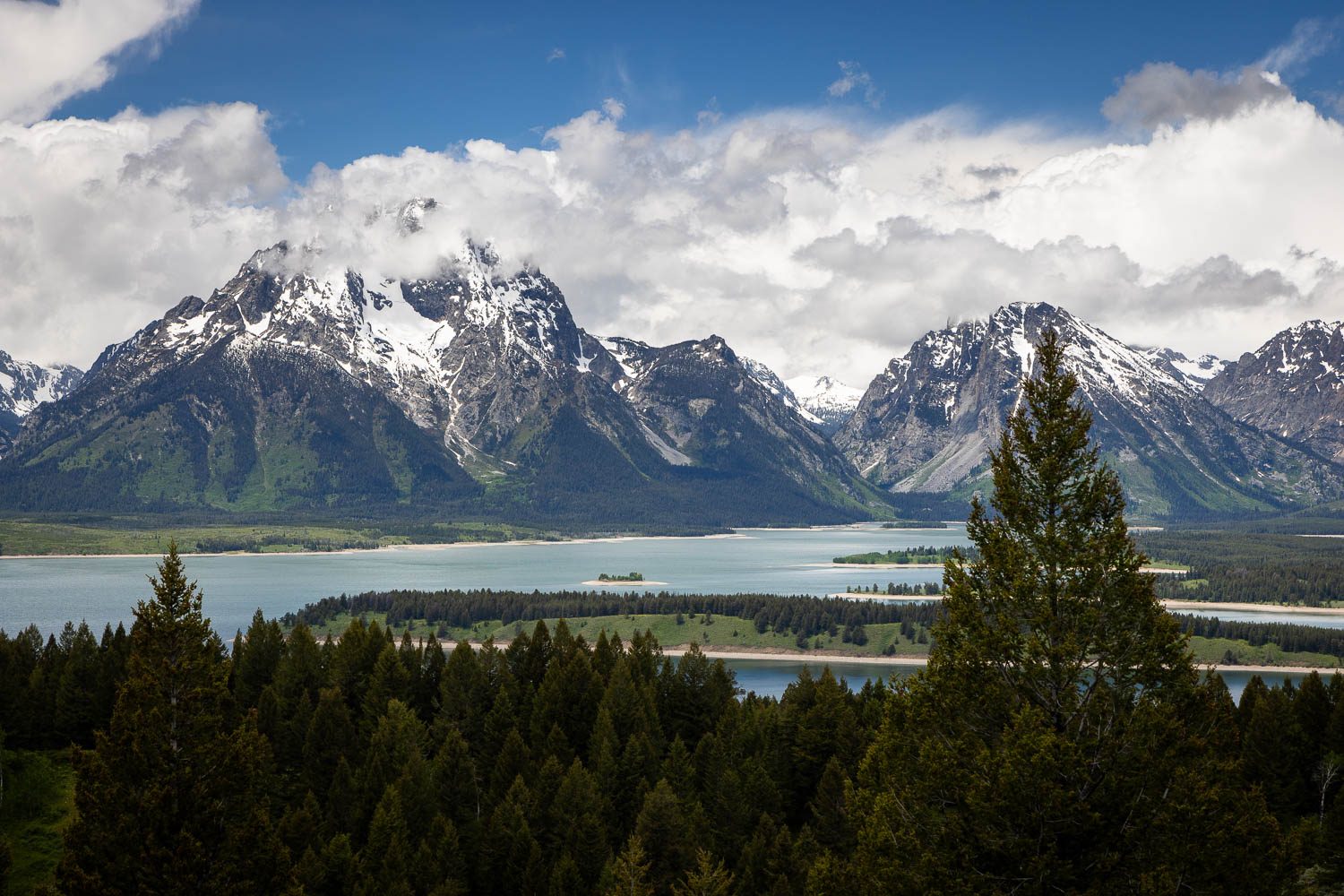
A summit reachable by vehicle that offers a panoramic view of the Jackson Hole valley and the Teton peaks. It is a frequent spot for observing grizzly and black bears.
Drive the summit road for views of the Snake River.
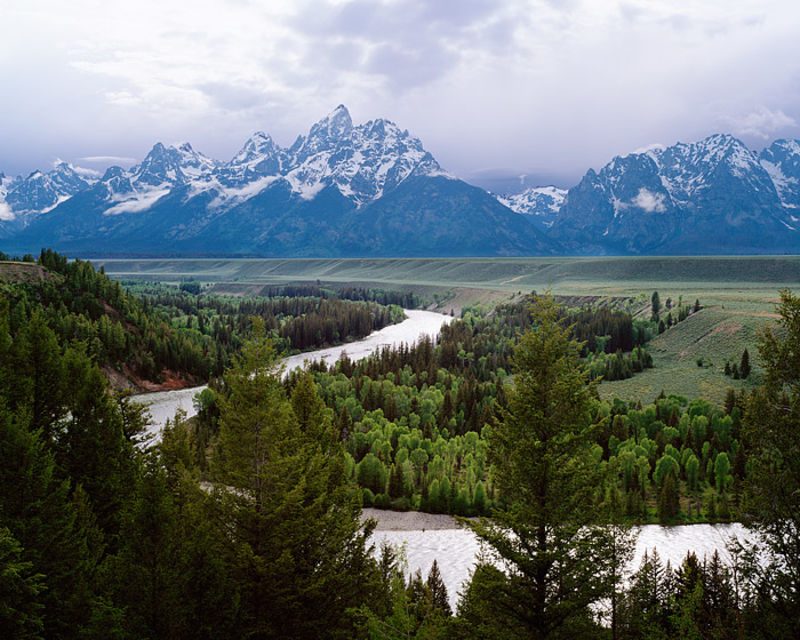
This river winds through the valley floor and is a central corridor for riparian wildlife. It is frequently featured in landscape photography and wildlife observation sessions.
Scan the river banks for moose during the morning hours.
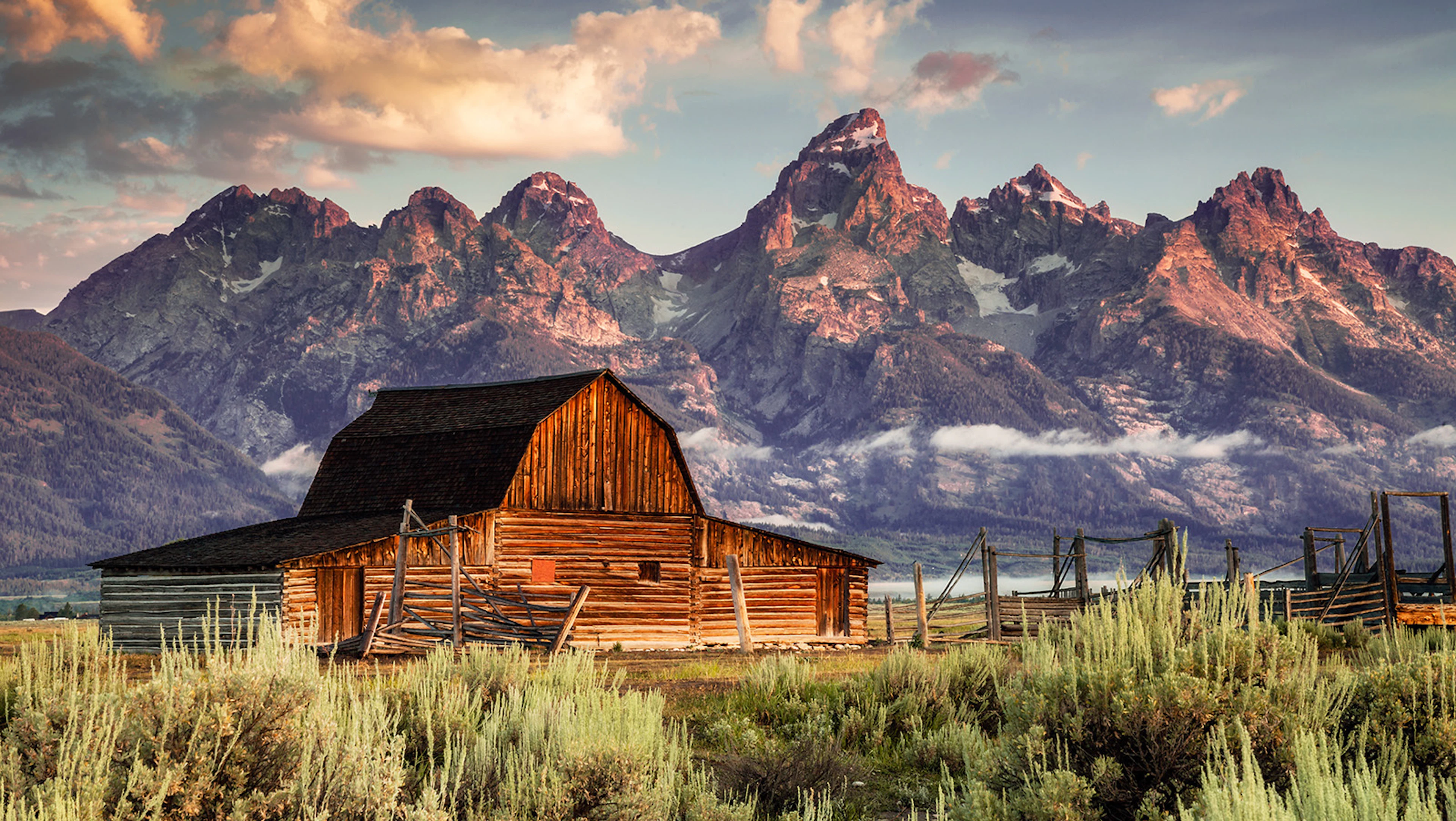
This area contains preserved homesteads and the iconic barns set against the backdrop of the mountains. It represents the early settlement history of the valley.
Visit during sunrise for the best light on the structures.
Grand Teton National Park is located in northwestern Wyoming, with the primary access point situated near the town of Jackson. Most visitors arrive by private vehicle to navigate the park's extensive road network.
US-191/US-26/US-89 from Jackson to Moose
US-191 from Yellowstone National Park to the North Entrance
The best arrival window is 06:00–09:00. Early arrival helps beat crowds at popular trailheads and improves wildlife viewing opportunities.
Entrance fees for Grand Teton National Park are based on the type of vehicle used for entry. A standard pass is valid for 7 consecutive days, providing a cost-effective baseline for trips lasting multiple days.
Verdict: A typical visitor pays 35 USD for a vehicle pass, though non-US residents are subject to an additional 100 USD per person surcharge.
Grand Teton National Park is open to visitors daily, providing 24-hour access throughout the week to accommodate flexible planning for your stay.
Everything you need to know about how long should i spend in grand teton national park
Most visitors find that three to four days is an appropriate amount of time to explore the major trailheads and scenic vistas. This timeframe allows for a balance of hiking, photography, and wildlife observation without feeling rushed.
A multi-day trip is recommended to fully appreciate the diverse ecosystems, ranging from sagebrush flats to high-alpine lakes. Planning for at least three days ensures you can experience the valley floor and the dramatic peaks of the Teton Range.
Yes, the amount of time you allocate impacts your ability to reach remote backcountry areas or participate in guided wildlife tours. Shorter trips typically limit you to the main road corridors and popular pullouts.
The standard vehicle pass is 35 USD, which covers your entry for 7 days. Non-US residents are subject to a 100 USD per person surcharge.
To maximize your day, the best arrival window is 06:00–09:00. Arriving early is essential for beating crowds at busy locations and seeing more animal activity.
The park is open 24 hours a day, seven days a week, so you are not restricted by operating hours when deciding how long should i spend in grand teton national park. The main visitor centers, however, operate on seasonal schedules which you should check upon arrival.
A common mistake is underestimating the time required for travel between trailheads and the potential for heavy traffic during peak hours. Budgeting extra time for transit helps you maintain a more relaxed pace throughout your visit.
Arriving between 06:00 and 09:00 provides a significant advantage for spotting elusive megafauna like moose and bears. This early start also grants you better access to parking at popular trailheads before they reach capacity.
Open Air Vehicle Safaris
Read more Tickets & toursWildlife Safari & River Floats
Read more Tickets & toursSunset Wildlife Tours
Read more GuideBear Safety and Wildlife Info
Read more Tickets & toursWinter Wildlife Tours
Read more Tickets & toursWildlife Safaris
Read more Tickets & toursWildlife Photography Tours
Read more Tickets & toursPrivate Wildlife Tours
Read more